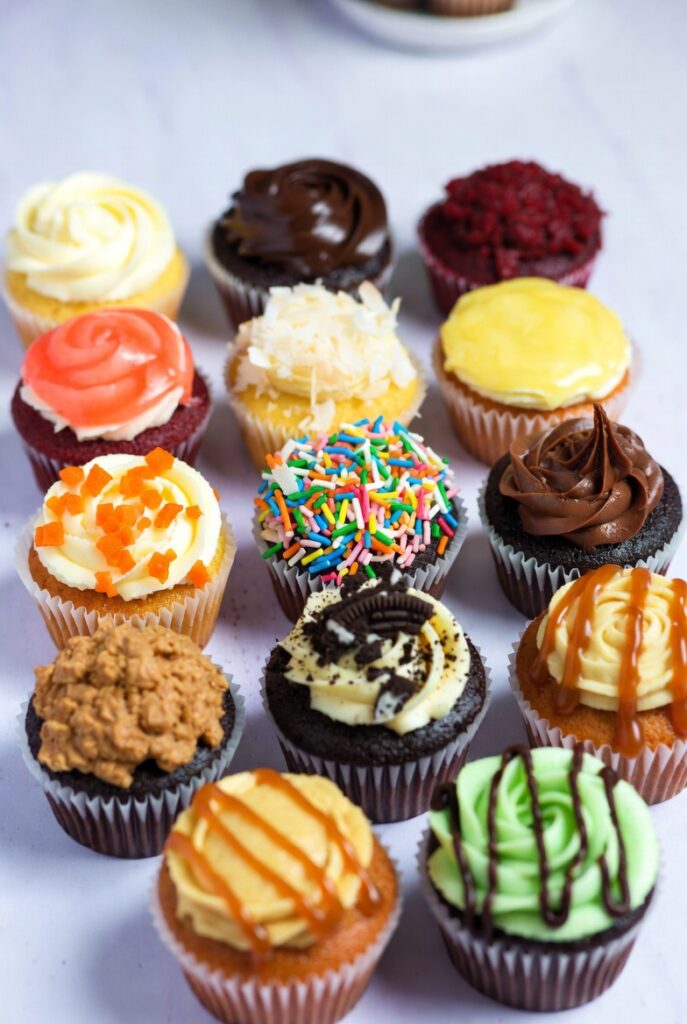
Welcome to the ultimate cupcake guide. Whether you’re a beginner looking to master the basics or a seasoned baker wanting to expand your repertoire, cupcakes are the perfect canvas for flavor.
In this guide, we aren’t just giving you recipes; we’re teaching you the methodology behind the perfect cupcake. From the fluffy crumb of a vanilla base to the rich, decadent swirls of Nutella, these 15 recipes will become the cornerstone of your kitchen.
The Foundation: 15 Master Protocols
1. Classic Vanilla Cupcakes: The Master Canvas
The “Gold Standard” of baking. The key here is room-temperature ingredients.
- The Method: Cream 1/2 cup of unsalted butter and 1 cup of granulated sugar until the mixture is pale and airy. Add 2 large eggs one by one, ensuring each is fully incorporated. Whisk in 1 tsp of pure vanilla bean paste. Sift 1.5 cups of cake flour and 1.5 tsp of baking powder, then fold into the wet mix while alternating with 1/2 cup of whole milk.
- Why it works: Cake flour has a lower protein content than all-purpose flour, preventing gluten strands from toughening the cake. This is what creates that signature “dissolves-on-the-tongue” texture.
- Pro-Tip: For the best results, tap your pan on the counter once before putting it in the oven to pop any large air bubbles that could lead to an uneven rise.
2. Deep & Dark: Chocolate Cupcakes
Chocolate requires a delicate balance of fats and cocoa to ensure the crumb remains moist rather than brittle.
- The Method: Use the vanilla base method but swap out 1/4 cup of the flour for high-quality Dutch-processed cocoa powder. The Dutch-processing alkalizes the cocoa, creating a darker, smoother chocolate flavor that isn’t overly acidic.
- Why it works: Cocoa powder is a drying ingredient. By using hot liquid—in this case, 1/2 cup of brewed coffee—you “bloom” the cocoa, releasing trapped aromatics and ensuring the powder fully hydrates.
- Pro-Tip: Don’t fear the coffee; you won’t taste it. It acts as an enhancer, much like salt, to amplify the cocoa notes.
3. The Southern Classic: Red Velvet Cupcakes
A delicate, velvety crumb with a subtle tang that is iconic in Southern baking.
- The Method: Whisk 1 tbsp of cocoa powder with your dry ingredients. In your wet mixture, add 1 tsp of white vinegar and a splash of red food coloring. The acidity of the vinegar reacts instantly with the baking soda, creating a massive, airy lift.
- Why it works: The slight acidity of the vinegar paired with buttermilk provides that “velvet” mouthfeel that is distinct from a standard chocolate cake.
- Pro-Tip: Always frost with a tangy cream cheese frosting—the contrast between the acidity of the cake and the tang of the cheese is what defines the flavor profile.
4. Fresh & Bright: Strawberry Cupcakes
The secret to real strawberry flavor is reduction, not fresh slices, which hold too much water.
- The Method: Place 1 cup of fresh, hulled strawberries in a saucepan over medium heat. Simmer until the volume is reduced by half. Let this “jam” cool completely before folding it into your vanilla batter.
- Why it works: By removing the water content through reduction, you concentrate the fruit sugars and strawberry aromatics, ensuring the cupcake remains structurally sound.
- Pro-Tip: If you want a deeper pink color, use a tiny drop of natural beet juice rather than synthetic food dye.
5. Zesty & Clean: Lemon Cupcakes
- The Method: Rub 2 tbsp of fresh lemon zest into your granulated sugar with your fingertips for a full minute before creaming the butter. This forces the sugar crystals to rupture the zest’s oil glands.
- Why it works: Infusing the sugar with zest ensures the lemon flavor permeates the entire crumb, not just the frosting.
- Pro-Tip: Add 2 tbsp of fresh lemon juice at the very end of the mixing process to provide a “snap” of acidity that cuts through the buttery batter.
6. Party Time: Funfetti Cupcakes
- The Method: Use an oil-based batter (1/2 cup vegetable oil instead of butter) for a stark white crumb. Fold in 1/3 cup of “jimmies” (the rod-shaped, wax-based sprinkles) at the very last second.
- Why it works: Oil keeps the crumb moister and lighter in color than butter, which provides the perfect “blank slate” for the colors of the sprinkles to pop.
- Pro-Tip: Use only rod-shaped sprinkles. Round nonpareils will bleed their color into the batter immediately, turning your cupcake a muddy gray.
7. Spiced & Moist: Carrot Cake Cupcakes
- The Method: Mix 1.5 cups of finely grated carrots with 1/2 cup chopped walnuts and 1/2 cup raisins. Use a spice blend of 1 tsp cinnamon, 1/4 tsp nutmeg, and 1/4 tsp ground ginger.
- Why it works: Carrot cake relies on the moisture released by the carrots during baking. Using an oil-based batter is essential here to keep the cupcakes soft for several days.
- Pro-Tip: Grate your carrots by hand using the fine side of the box grater. Pre-packaged shredded carrots are too dry and will not incorporate into the batter properly.
8. Tropical Escape: Coconut Cupcakes
- The Method: Replace the standard whole milk in your vanilla recipe with full-fat canned coconut milk.
- Why it works: The higher fat content of canned coconut milk creates a rich, luxurious crumb that aligns with the natural oils in shredded coconut.
- Pro-Tip: Toast your shredded coconut in a dry pan until it turns a light golden brown before garnishing. It adds a delicious nutty depth.
9. The Savory-Sweet: Peanut Butter Cupcakes
- The Method: Replace 1/4 cup of the butter in a vanilla recipe with creamy, natural-style peanut butter.
- Why it works: Peanut butter adds both fat and protein. The protein helps structure the cupcake, making it slightly denser and more satisfying.
- Pro-Tip: Pair these with a chocolate ganache; the saltiness of the peanut butter is the perfect foil for bittersweet chocolate.
10. The Cookie Crunch: Oreo Cupcakes
- The Method: Prepare your chocolate cupcake base. Finely crush 10 sandwich cookies and fold them into the batter.
- Why it works: The oils from the cookie cream filling bleed into the batter, acting as an extra source of fat that keeps the cupcake incredibly tender.
- Pro-Tip: Place a whole cookie at the bottom of the liner before pouring the batter. It will bake into the cake, creating a “base-layer” surprise.
11. Hazelnut Heaven: Nutella Cupcakes
- The Method: Make a chocolate cupcake base. Once the batter is in the liners, drop 1 tsp of Nutella into the center.
- Why it works: By using a “plug” method, you create a molten core that contrasts with the airy crumb of the cupcake.
- Pro-Tip: Freeze your Nutella dollops on a sheet of parchment paper for 20 minutes before baking. This prevents them from sinking to the bottom of the liner during the bake.
12. Rich & Salty: Salted Caramel Cupcakes
- The Method: Use a vanilla base and swirl 2 tbsp of room-temperature caramel sauce directly into the batter.
- Why it works: Caramel is sugar-heavy; it adds a depth of flavor that standard vanilla cannot achieve.
- Pro-Tip: After baking, use an apple corer to remove a small plug from the center, fill with warm salted caramel, and replace the top.
13. Autumn Comfort: Pumpkin Spice Cupcakes
- The Method: Combine 1/2 cup pumpkin puree with 1 tsp pumpkin pie spice. Since pumpkin acts as a liquid in the batter, reduce the milk by 2 tbsp.
- Why it works: Pumpkin puree is high in fiber and starch, which provides a natural thickness.
- Pro-Tip: Use a high-quality canned puree (like Libby’s) rather than homemade, as the water content is more consistent.
14. Sweet & Simple: Banana Cupcakes
- The Method: Mash 2 overripe bananas—the blacker the peel, the better—into a liquid consistency. Fold into a vanilla batter.
- Why it works: Banana acts as a natural emulsifier and sweetener.
- Pro-Tip: Pair with a “Brown Butter Frosting.” Browning the butter caramelizes the milk solids, which perfectly complements the banana’s natural sugars.
15. Cool & Refreshing: Chocolate Mint Cupcakes
- The Method: Use the chocolate cupcake base. Keep the batter neutral, and incorporate 1/2 tsp of peppermint extract into the frosting rather than the cake.
- Why it works: Peppermint extract is extremely volatile; heat often “cooks out” the minty flavor. Frosting is the ideal medium for flavor retention.
- Pro-Tip: Garnish with a thin mint chocolate square for that classic, sharp flavor profile.
The Master Bakery Checklist: Success Secrets
To ensure every one of these recipes turns out perfectly, follow these three rules:
- Measure by Weight: Using a digital scale to measure flour and sugar in grams will change your baking life. A “cup” of flour can vary by as much as 30 grams depending on how it’s scooped.
- Room Temperature: If your butter is too cold, it won’t cream properly. If your eggs are too cold, they will curdle the batter. Plan ahead by pulling these ingredients out 1 hour before you start.
- The Cooling Process: Never frost a warm cupcake. The heat will melt your buttercream, turning it into a runny mess. Wait until they are completely cool to the touch—test the bottom of the cupcake to ensure it is at room temperature.
Conclusion
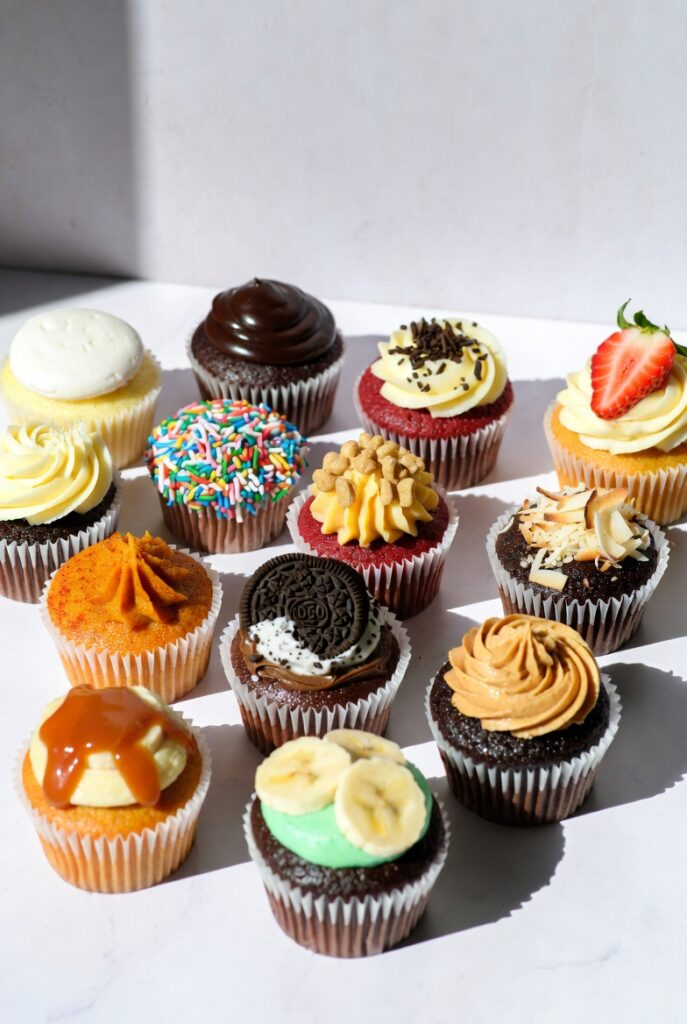
Whether it’s the bright citrus of a Lemon Cupcake or the indulgent swirl of a Nutella treat, these recipes are designed to be your go-to kitchen companions. The secret to success in baking is not just following directions, but understanding the why behind the ingredients. By mastering the emulsification of your butter and sugar, carefully balancing your leavening agents, and respecting the temperature of your ingredients, you can transform simple batter into a professional-grade dessert. Start with the basics, master the core methodology, and don’t be afraid to innovate!