In the hierarchy of handheld desserts, the Peach Cobbler Cupcake is a masterclass in “Textural-Contrast Engineering.” While a standard cupcake relies on a uniform crumb, this recipe requires the marriage of a high-moisture fruit infusion with a “Crumb-Topping” scaffold. We are effectively shrinking a classic Southern comfort dessert into a precise, portable format. This is not just a muffin with fruit; it is a complex architectural fusion of flavors and textures designed to satisfy the most demanding palates.
1. The Physics of the “Cobbler-Crumb”
The defining characteristic of a traditional cobbler is the dramatic contrast between the tender, stewed fruit and the crisp, buttery topping. To replicate this in cupcake form, we utilize the “Dual-Stage Deployment” method.
1.1 The Fruit-Infusion Matrix
We don’t simply fold raw peaches into the batter; we create a “Peach-Syrup Reduction.” By simmering diced peaches with a touch of brown sugar and aromatic spices like cinnamon and nutmeg, we extract the pectin and concentrate the fruit’s natural sugars. This prevents the cupcake from becoming soggy—the most common failure mode in fruit-based baking where excess water interferes with the setting of the crumb.
1.2 The Crumble Scaffold
The “Cobbler” element is provided by a “Dehydrated-Fat Crumble.” By combining cold butter with flour and turbinado sugar, we create a structural topping that remains crisp even when sitting on the moist, fruit-laden cupcake base. This topping acts as a thermal shield during the baking process, helping to steam the fruit while the exterior caramelizes.
2. Master Protocol: The Recipe Specifications
2.1 The Peach-Reduction Base
- The Method: Dice 2 fresh, ripe peaches into 1/4-inch cubes. Toss with 2 tbsp of brown sugar and 1/2 tsp of cinnamon. Sauté in a pan over medium heat for approximately 5–7 minutes until the juices are syrupy.
- The Critical Step: Drain the excess liquid into a small bowl and set it aside. If you pour all the liquid directly into the batter, the cupcakes will become heavy and may collapse.
- Why it works: Reducing the fruit concentrates the flavor. The liquid you drained is “liquid gold”—it holds the essence of the peach and is perfect for glazing later.
2.2 The Batter Construction
- The Method: Use your Classic Vanilla Base (Method: cream 1/2 cup butter and 1 cup sugar; add 2 eggs; fold in 1.5 cups flour, 1.5 tsp baking powder, and 1/2 cup milk). Before the final fold of dry ingredients, gently stir in 75% of your reduced, drained peaches.
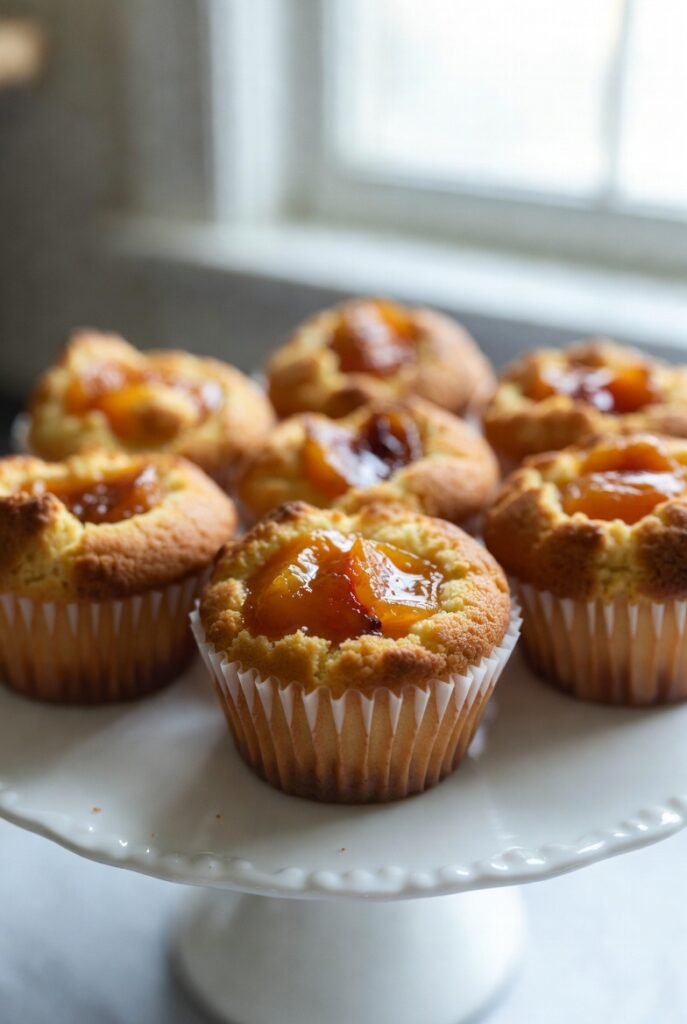
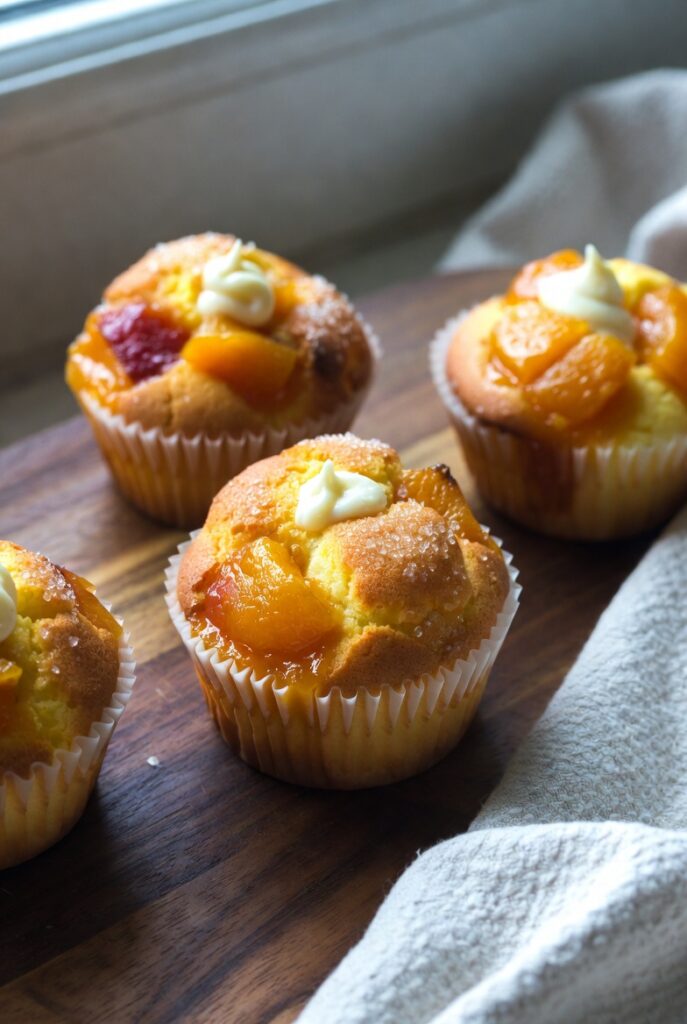
- The “Cobbler-Cap”: After portioning the batter into the cupcake liners, take the remaining 25% of your peaches and place them on top of the raw batter. Then, sprinkle your “Dehydrated-Fat Crumble” (see below) generously over the top.
2.3 The “Crumble” Formula
- Ingredients: 1/4 cup all-purpose flour, 2 tbsp cold unsalted butter (cubed), 2 tbsp turbinado sugar, a pinch of salt.
- The Method: Using your fingertips, rub the cold butter into the flour and sugar until the mixture resembles coarse, pea-sized crumbs.
- Why it works: Turbinado sugar has larger, coarser crystals than standard granulated sugar, which provides a satisfying “Snap” and a deeper caramel flavor profile that mimics the rustic crust of a traditional cobbler.
3. The “Thermal-Deployment” Cycle
Because of the heavy fruit load on top of the batter, the baking cycle for this cupcake is higher and more nuanced than a standard vanilla cupcake.
- Initial Rise: Bake at 180°C (355°F). Because the peaches are “bottom-heavy” in the batter and piled on top, we need a strong, rapid rise in the first 8–10 minutes to “lock” the structure before the fruit weight pulls it down.
- The Set: Reduce heat to 165°C (330°F) for the final 12–15 minutes. This allows the center—which is extra moist from the peach reduction—to fully gelatinize without burning the sugar-rich crumble on top.
4. Troubleshooting the Architecture
- The Crumble is Sinking: You didn’t make the butter cold enough, or your crumble pieces were too small. Ensure the butter is fridge-cold and the crumble pieces are at least the size of a pea before applying them to the batter.
- The Cupcake is “Gummy”: This happens when the fruit-to-flour ratio is too high or the peaches were not drained. Ensure you drained your peaches thoroughly after the reduction step.
- The Peach Flavor is Faint: Enhance the fruit profile by adding 1/4 tsp of almond extract. Almond and peach are chemically similar in flavor; the almond highlights the stone-fruit notes perfectly, giving the cupcake a more professional, nuanced taste.
5. The “Visual Gravity” of Presentation
- The “Crumb-Contrast”: The crumble should be golden brown. If it’s pale, you haven’t baked it long enough to caramelize the sugar. Aim for a “Deep-Caramel-Hue.”
- The “Glaze-Finish”: Use the leftover peach-syrup (drained in Section 2.1) to brush the tops of the cupcakes. It adds a “Bakery-Gloss” and intensifies the fruit aroma immediately upon serving.
- Frosting Alternative: These cupcakes are so structurally complex that they often don’t need traditional buttercream. A simple dollop of Whipped Mascarpone (sweetened with a touch of honey) is the perfect sophisticated, creamy finish that balances the heat of the baked fruit.
6. Conclusion: The Master Draft of Fruit-Based Utility
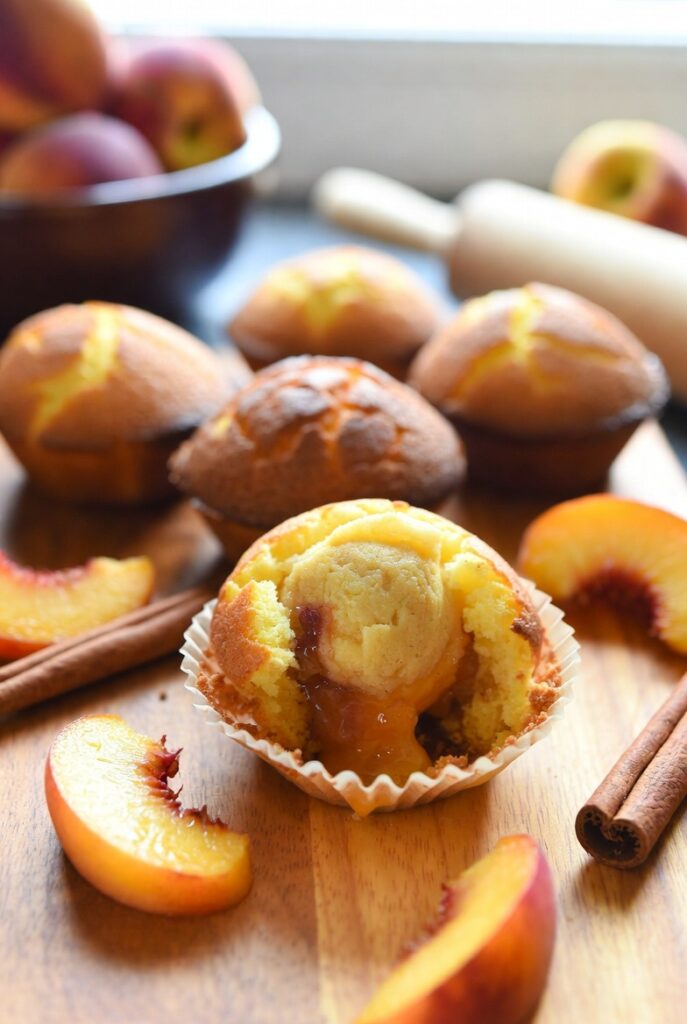
The Starch-Fruit Integration Protocol proves that complex desserts like cobbler can be successfully translated into handheld formats. By mastering the “Reduction Technique” and the “Cold-Fat Crumble,” you are delivering a cupcake that is structurally sound, flavor-intense, and sensorially varied. It is the ultimate fusion of rustic comfort and modern baking precision. Whether you are serving these at a summer brunch or a formal tea, the balance of the tender fruit-infused crumb and the crunchy, buttery topping creates a dessert that feels inherently “Gourmet-Tier.”