The Probiotic-Lipid Protocol: A Master Study in the Vegan Greek Yogurt Bowl
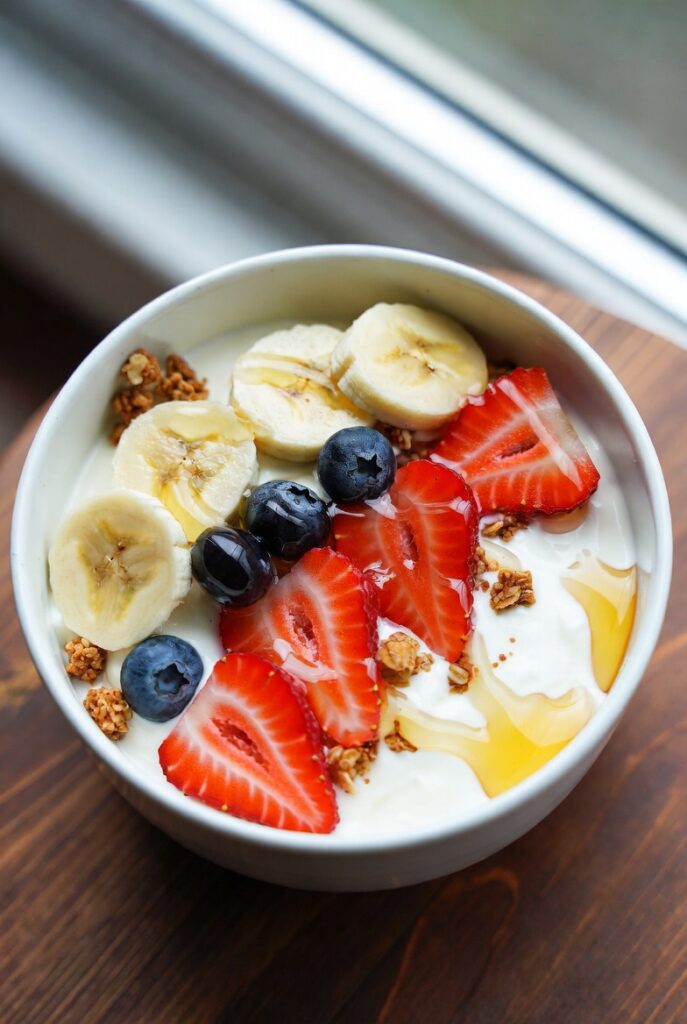
1. Introduction: The Architecture of “Cultured Plant-Satiety” In the specialized taxonomy of plant-based gastronomy, the Vegan Greek Yogurt Bowl represents the ultimate study in “Functional Fermentation.” Traditional Greek yogurt is prized for its high protein-to-sugar ratio and its distinctively thick, strained texture. Replicating this experience in a vegan framework requires more than simply substituting dairy; it requires a sophisticated understanding of “Lipid-Protein Emulsification” and “Probiotic Synthesis.” This document serves as the “Structural Manifesto” for the dish. We move beyond the rudimentary “store-bought cup” logic and examine the mechanics of “The Viscosity-Strain Phase.” By utilizing high-density plant fats—specifically from coconut cream, … Read more
Tags:

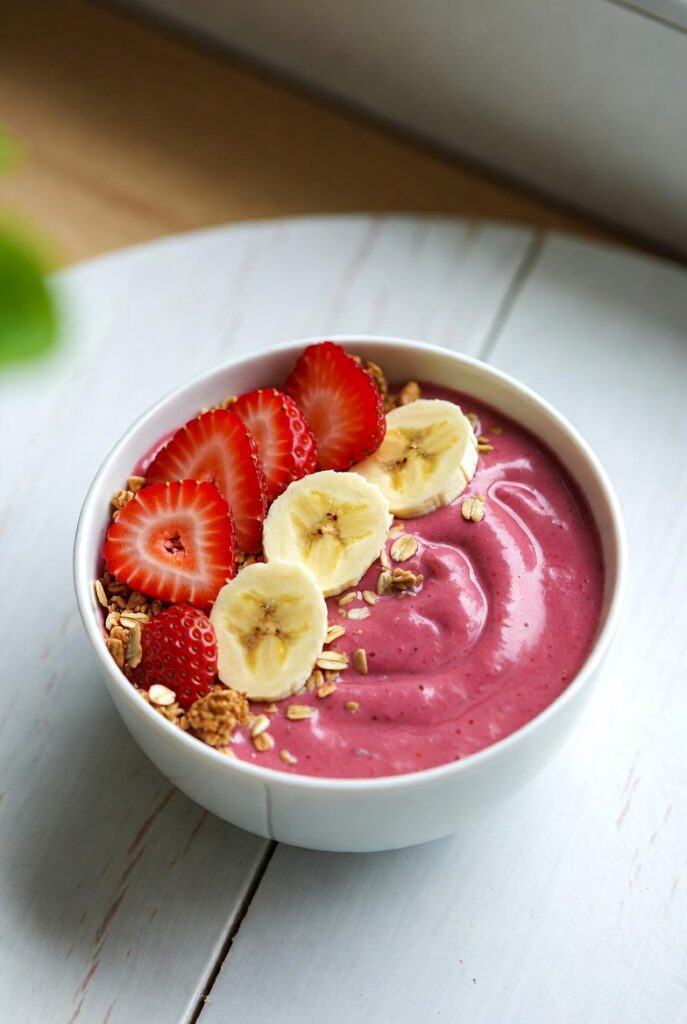
The Viscosity-Density Protocol: A Master Study in the High-Performance Smoothie Bowl

1. Introduction: The Architecture of “Spoonable Nutrition” In the sophisticated taxonomy of functional breakfast engineering, the Smoothie Bowl represents a landmark achievement in “Volumetric Satiety.” Unlike a traditional liquid smoothie, which is often consumed with a high “Glycemic Velocity,” the smoothie bowl is designed for a “Slow-Release Nutrient Delivery.” By transitioning from a drinkable liquid to a “Spoonable Solid,” we engage the mechanical process of mastication, which triggers the release of satiety hormones like cholecystokinin (CCK) and peptide YY (PYY) far more effectively than a beverage. This document serves as the “Structural Manifesto” for the dish. We move beyond the … Read more

Tags:

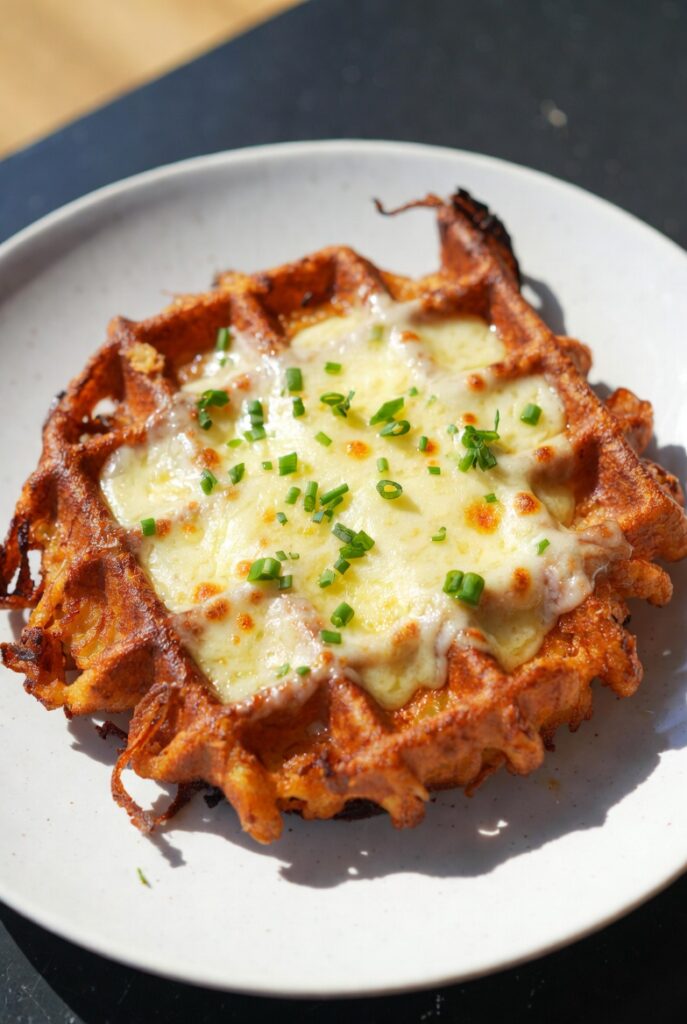
The Crispy Carbon-Crunch Protocol: A Master Study in the Savory Hashbrown Chaffle

1. Introduction: The Architecture of “Low-Carb Structural Rigidity” In the evolving taxonomy of functional breakfast engineering, the Savory Hashbrown Chaffle represents a landmark achievement in “Starch-Lipid Substitution.” For those operating within the Keto, Low-Carb, or Gluten-Free frameworks, the traditional potato-based hashbrown presents a “Glycemic-Hazard.” The Chaffle (a portmanteau of “Cheese” and “Waffle”) solves this by utilizing “Protein-Bound Moisture Management.” This document serves as the “Structural Manifesto” for the dish. We move beyond the rudimentary “egg-and-cheese” logic and examine the mechanics of “The Maillard-Crystallization Phase.” By utilizing the toroidal lattice of a waffle iron, we transform a simple protein-lipid emulsion into … Read more

Tags:

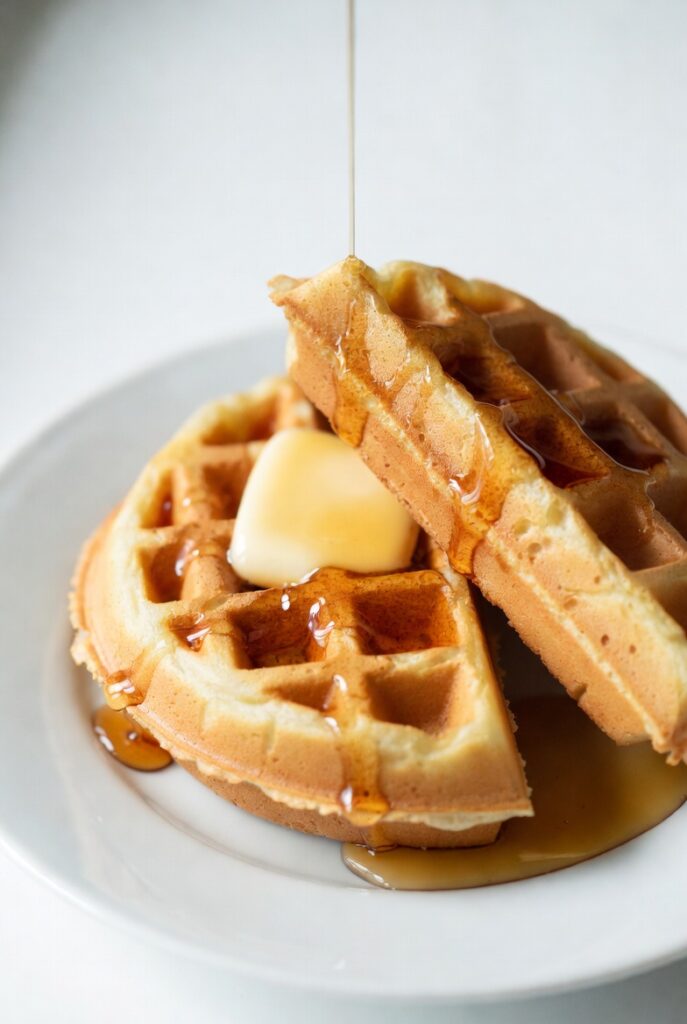
The Golden Shatter-Cloud: Mastering the Ultimate Crispy-Fluffy Waffle

1. Introduction: The Architecture of “Geometric Perfection” In the high-stakes world of breakfast gastronomy, the Golden Shatter-Cloud Waffle stands as a landmark achievement in “Surface-Area Engineering.” While a pancake is a simple two-dimensional affair, this waffle utilizes a “Deep-Chamber Toroidal Lattice” to maximize the contact point between the batter and the radiant heat of the iron. The result? A structural masterpiece with a high ratio of “Shatter-Crisp” crust to “Vapor-Light” interior. This document is your “Master Manifesto” for the dish. We are moving beyond the mediocre “just-add-water” boxes and entering the realm of “Dual-Action Aeration.” By utilizing a synergy of … Read more

Tags:

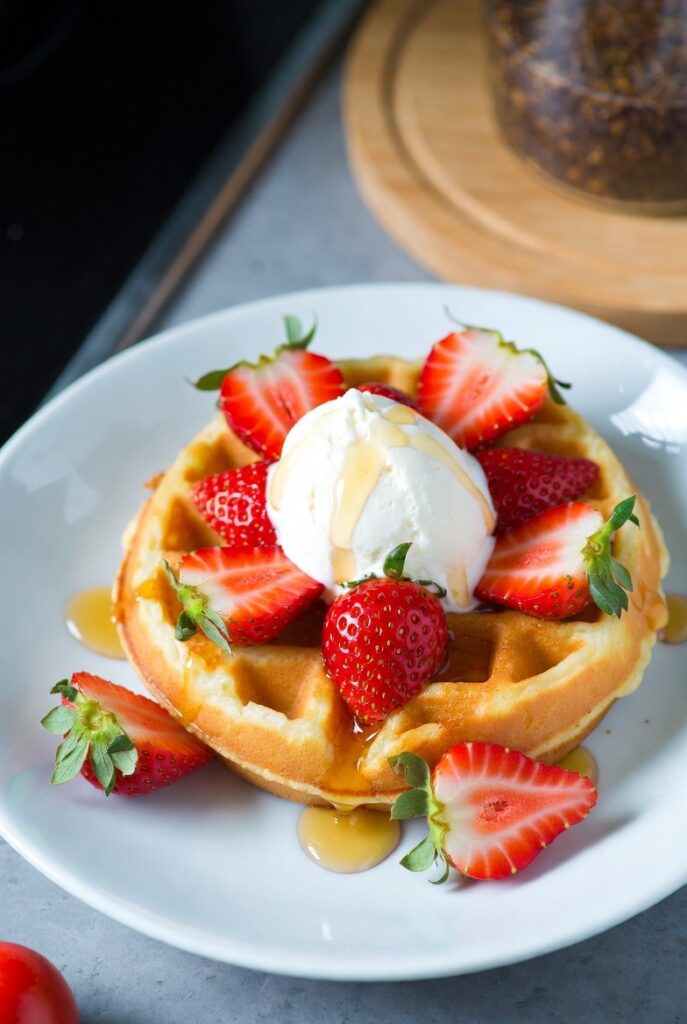
The Lattice-Crunch Protocol: A Master Study in the Best Belgian Waffles

1. Introduction: The Architecture of “Geometric Crispness” In the specialized taxonomy of breakfast engineering, the Belgian Waffle represents the absolute peak of “Surface-Area Optimization.” Unlike a standard pancake, which is essentially a two-dimensional heat-transfer exercise, or the thinner “American-style” waffle, the Belgian variant utilizes a “Deep-Chamber Toroidal Lattice” (the iconic thick grid) to maximize the contact point between the batter and the radiant heat of the iron. This structural design creates a high ratio of “Structural-Crunch” to “Cloud-Soft” interior, allowing for a multifaceted sensory experience that is both substantial and airy. This document serves as the “Master Specification” for the … Read more

Tags:

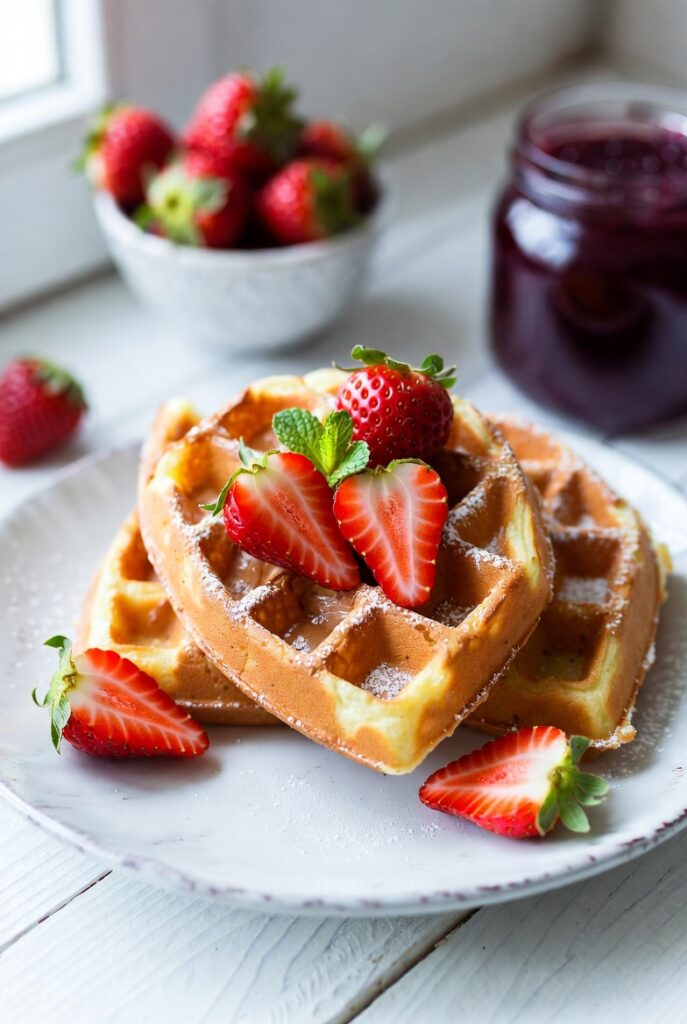
The Lattice-Crunch Protocol: A Master Study in Homemade Waffles

1. Introduction: The Architecture of “Geometric Crispness” In the specialized taxonomy of breakfast engineering, the Homemade Waffle represents the peak of “Surface-Area Optimization.” Unlike a pancake, which is a two-dimensional heat-transfer exercise, the waffle utilizes a “Toroidal Lattice” (the grid) to maximize the contact point between the batter and the radiant heat of the iron. This creates a high ratio of “Structural-Crunch” to “Cloud-Soft” interior. This document serves as the “Master Specification” for the dish. We move beyond the rudimentary “just-add-water” logic and enter the realm of “Dual-Action Aeration.” By utilizing both chemical leavening and mechanical whipped-protein techniques, we create … Read more

Tags:

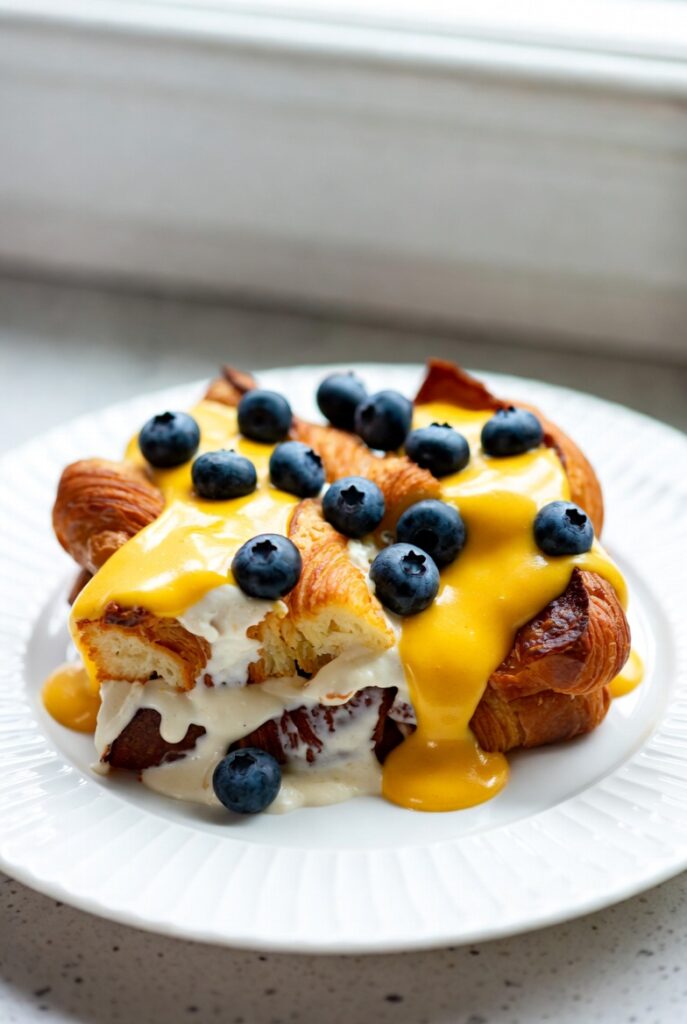
The Laminated Custard Protocol: A Master Study in Croissant French Toast Bake

1. Introduction: The Architecture of “Lipid-Layered Saturation” In the high-tier landscape of brunch engineering, the Croissant French Toast Bake represents the definitive evolution of the classic pain perdu. While traditional French toast utilizes a singular, dense starch scaffold (such as Brioche, Challah, or Texas Toast), the Croissant Bake leverages a “Multilayered Lamination Matrix.“ Because a croissant is composed of alternating layers of yeast-leavened dough and high-fat European-style butter, it creates a unique structural opportunity: the custard can infiltrate the “Honeycomb-Air-Galleries” between layers. This results in a dish that defies simple categorization; it is simultaneously a soufflé, a bread pudding, and … Read more

Tags:

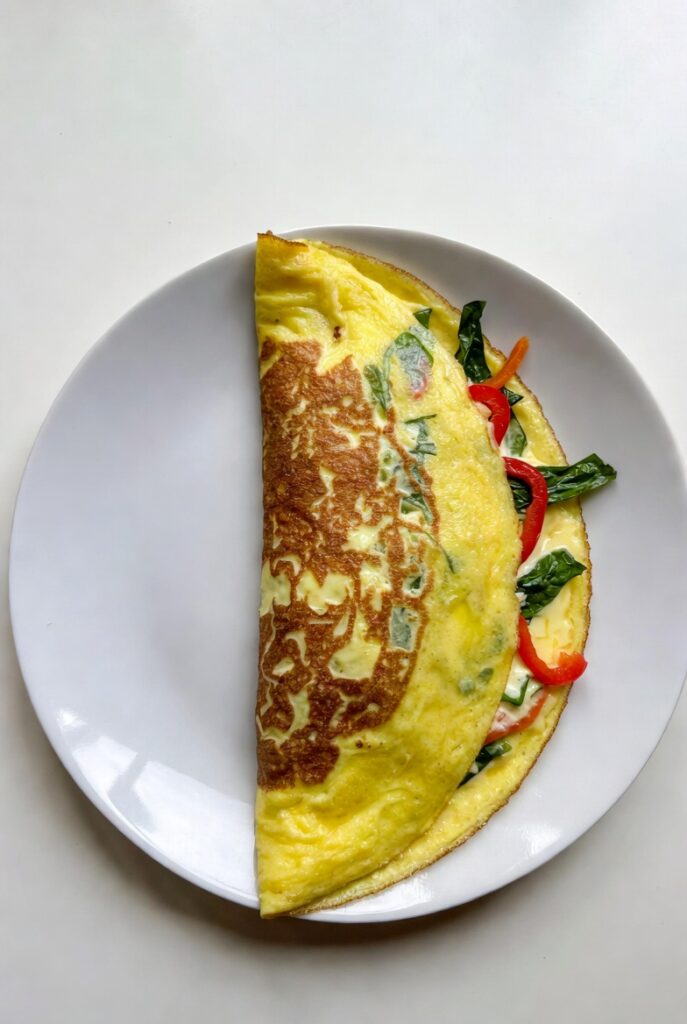
The Lamination Protocol: A Master Study in the Perfect Homemade Omelet

1. Introduction: The Architecture of “Structural Tenderness” In the global hierarchy of culinary technique, the Omelet represents the ultimate “Zero-Margin” skill test. Unlike scrambled eggs, which allow for a degree of textural irregularity, the perfect omelet is an exercise in “Protein Lamination.” Whether you aim for the classic French style (smooth, pale, and almond-shaped) or the American style (fluffy, golden, and folded), the objective remains constant: a perfectly coagulated exterior that encases a creamy, “soft-set” interior. This document serves as the “Operational Manifesto” for the dish. We move beyond the rudimentary “flip-and-fold” logic and examine the mechanics of “The Kinetic … Read more

Tags:

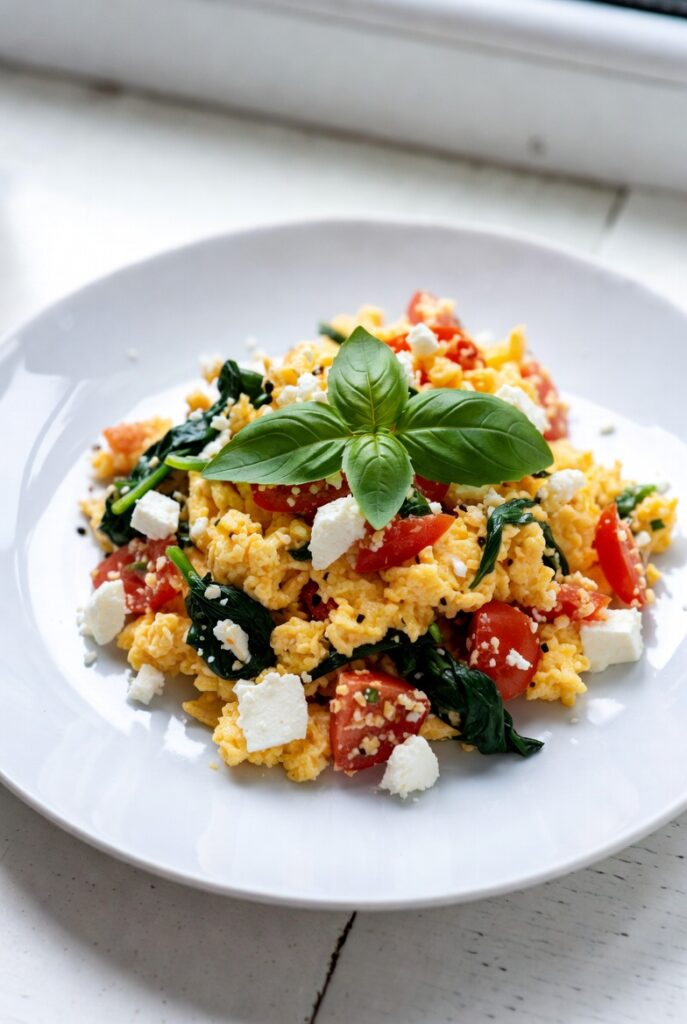
The Polychromatic Protein Protocol: A Master Study in Mediterranean Veggie Scrambled Eggs

1. Introduction: The Architecture of “Lipid-Fiber Synergy” In the sophisticated taxonomy of breakfast gastronomy, the Mediterranean Veggie Scramble stands as a landmark study in “Volumetric Satiety.” Unlike the standard American scramble, which often over-indexes on high-fat proteins (bacon/sausage), this protocol utilizes a “Polychromatic Vegetable Matrix” to provide bulk, micronutrients, and a “High-Resolution” flavor profile without excessive caloric density. This document serves as the “Constitutional Blueprint” for the dish. We move beyond the rudimentary “eggs-in-a-pan” logic and examine the mechanics of “The Moisture-Sequestration Technique.” By managing the high water content of Mediterranean vegetables, we prevent the “Weeping Egg” phenomenon, ensuring a … Read more

Tags:

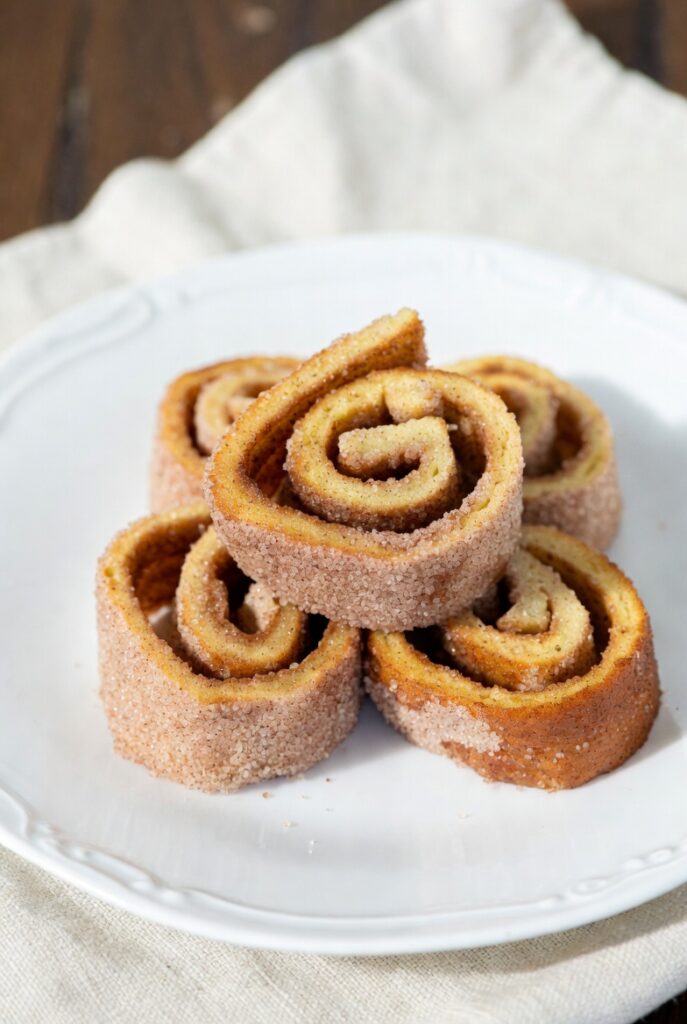
The Toroidal Tension Protocol: A Master Study in Cinnamon Sugar French Toast Roll-Ups

1. Introduction: The Architecture of “Cylindrical Comfort” In the evolving taxonomy of brunch-tier gastronomy, the Cinnamon Sugar French Toast Roll-Up represents a landmark study in “Structural Starch Re-Engineering.” While traditional French toast relies on the “Planar Absorption” of a flat slice of bread, the Roll-Up utilizes a “Toroidal Configuration.” This geometric shift allows for a 360-degree surface area exposure to the griddle, ensuring a higher ratio of “Maillard-Crisp” crust to “Custard-Soft” interior. This document serves as the “Structural Manifesto” for the dish. We move beyond the rudimentary “bread-and-egg” logic and examine the mechanics of “The Compression Bond.” By utilizing the … Read more

Tags: