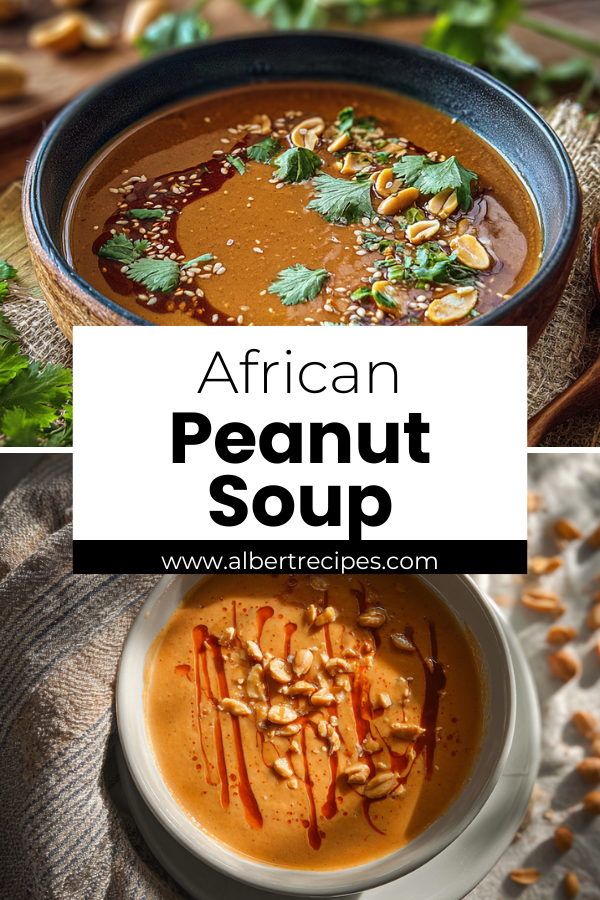
Few dishes embody the warmth and soul of West African cuisine quite like African Peanut Soup. Also known as groundnut soup or peanut stew, this richly flavored dish combines creamy peanuts, tomatoes, and spices to create a hearty, nourishing meal that’s both comforting and deeply satisfying
Originating in Ghana, Nigeria, and Sierra Leone, this soup has traveled across continents, becoming a beloved staple in African kitchens and beyond. Whether you’re after a taste of home or exploring something new, African Peanut Soup offers the perfect balance of earthy flavor, creaminess, and spice.
Origin and Cultural Significance
The story of African Peanut Soup is deeply rooted in the agricultural traditions of West Africa. Peanuts, or groundnuts, were introduced through trade routes centuries ago and quickly became a cornerstone of regional diets.
Across the continent, this dish represents more than a recipe — it’s a celebration of community and sustenance. From family gatherings to local festivals, groundnut soup holds a special place in many West African homes.
Peanuts also play a significant role in Africa’s economy and food security. According to the Food and Agriculture Organization, groundnuts are a vital source of nutrition and income for millions of African farmers. This makes the soup not just culturally symbolic, but agriculturally essential.
For health enthusiasts, the humble peanut has proven benefits. As noted by the Harvard School of Public Health, peanuts are packed with protein, fiber, and healthy fats — the very nutrients that make African Peanut Soup as nourishing as it is delicious.
Ingredients Breakdown
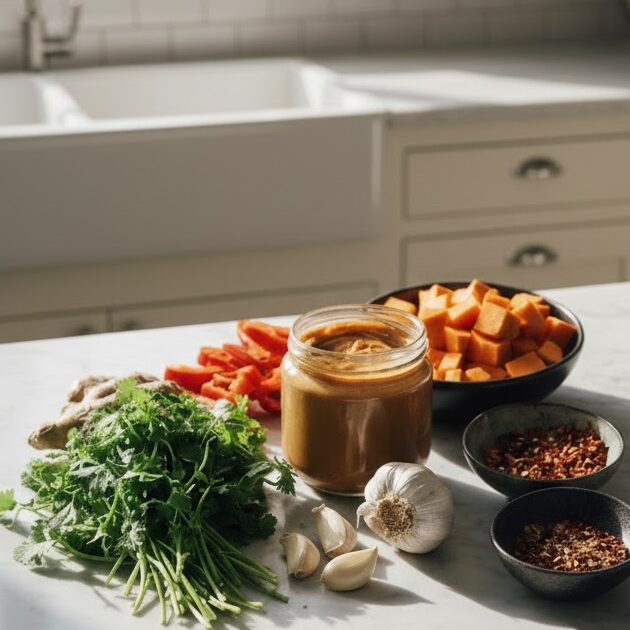
One of the greatest appeals of African Peanut Soup is its simplicity. With just a few staple ingredients, you can create something truly exceptional.
Traditional Ingredients
- Peanuts or Peanut Butter – the creamy base that gives the soup its signature texture.
- Tomato Paste or Fresh Tomatoes – for acidity and balance.
- Onions, Garlic, and Ginger – foundational aromatics.
- Chicken or Beef – for added protein and flavor depth.
- Spices – typically chili, cayenne, paprika, or curry powder for a warming kick.
Modern Substitutes and Variations
- Use natural peanut butter (without sugar or salt) for convenience.
- Substitute vegetable stock for meat broth for a vegan version.
- Add sweet potatoes, okra, or spinach for more body and nutrition.
Vegan and Gluten-Free Adaptations
Simply omit meat and use plant-based oil. Serve with gluten-free sides like rice or millet.
Step-by-Step Preparation Guide
Mastering this soup is about balancing flavor and texture. Here’s how to do it right:
- Roast or Grind Peanuts
- Toast raw peanuts for a few minutes, then grind until smooth.
- Alternatively, use 100% natural peanut butter.
- Prepare the Base
- Sauté chopped onions, garlic, and ginger until fragrant.
- Add tomato paste and cook until it deepens in color.
- Add the Protein and Broth
- Stir in your choice of chicken, beef, or fish.
- Pour in the stock and let it simmer gently.
- Incorporate the Peanut Mixture
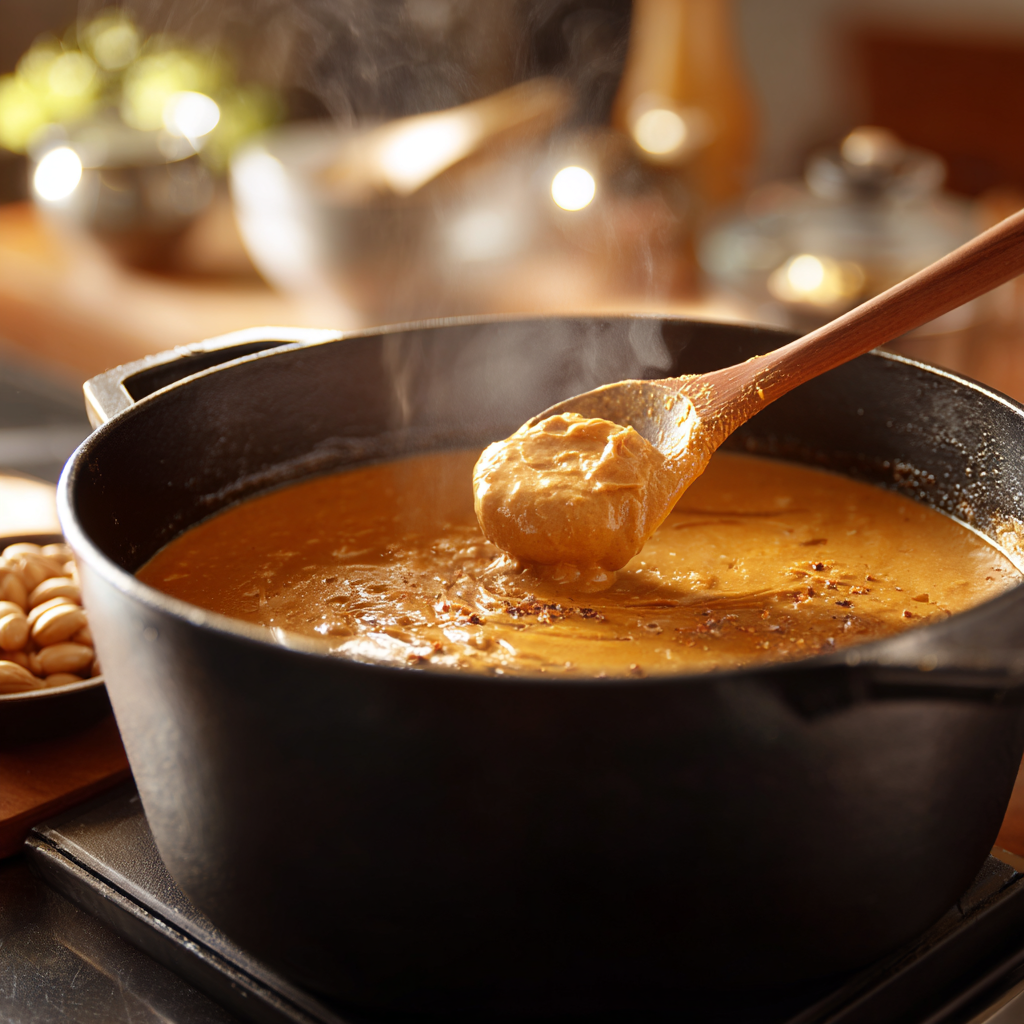
- Whisk the peanut paste into the pot slowly to avoid clumping.
- Simmer until thick and creamy.
- Season and Adjust
- Taste and balance with salt, chili, or lime juice.
Pro Tip: For the creamiest texture, simmer the soup low and slow. Avoid boiling — it can cause separation.
Variations by Region
Different African regions have their own takes on this comforting dish:
- Ghanaian Groundnut Soup – Often spicier, featuring chicken or goat meat.
- Nigerian Peanut Soup – Typically thicker, with bold flavors from crayfish or smoked meat.
- Sierra Leonean Version – Combines smoked fish with ground peanuts for depth.
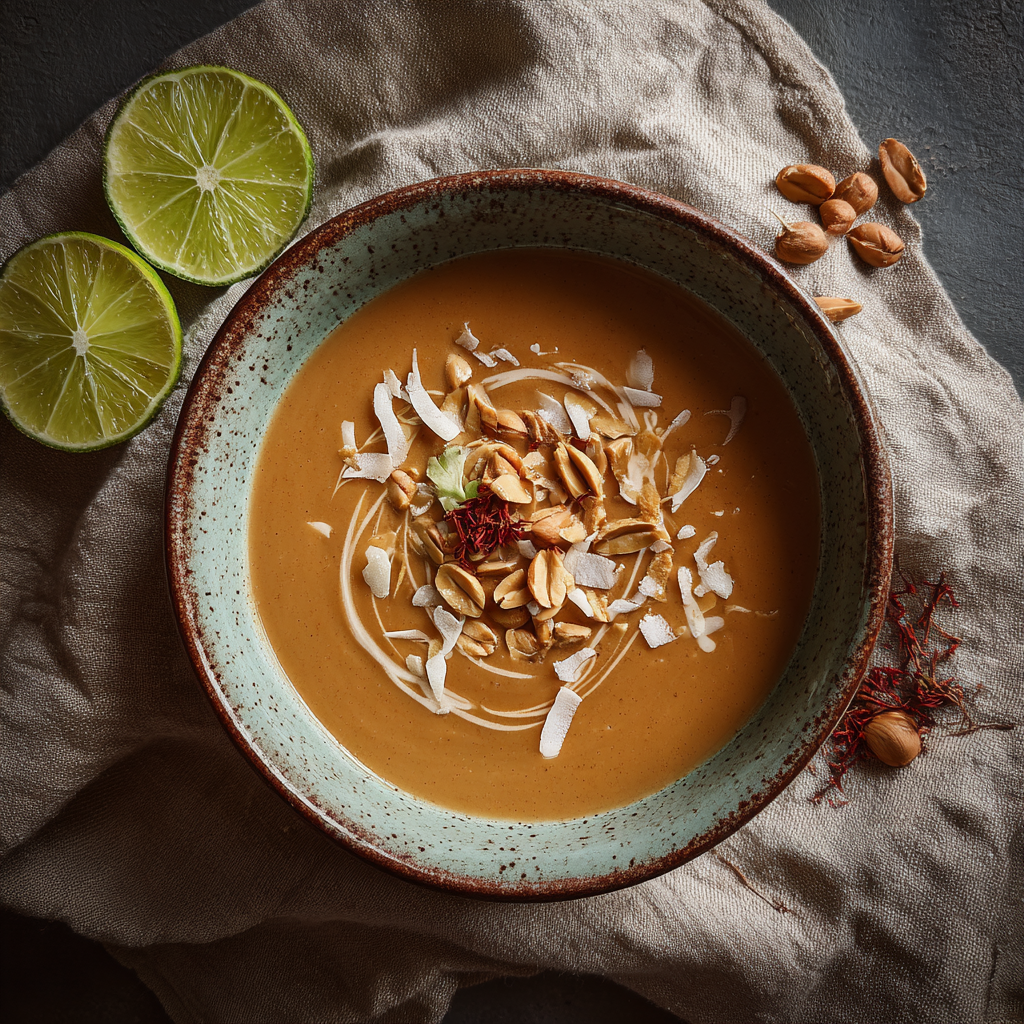
- East African Version – Uses coconut milk for a subtle sweetness.
These variations highlight how African Peanut Soup adapts beautifully to local tastes and available ingredients.
Nutritional Value and Health Benefits
This dish isn’t just flavorful — it’s packed with nutrients:
Macronutrient Breakdown
- Protein: From peanuts and meat/fish.
- Healthy Fats: Unsaturated fats that support heart health.
- Carbohydrates: Derived from tomatoes, onions, and optional vegetables.
Health Benefits
- Supports muscle repair and energy balance.
- Rich in vitamin E, niacin, and magnesium.
- The antioxidants in peanuts and tomatoes boost immunity.
Dietary Considerations
While African Peanut Soup is nutrient-dense, it’s also calorie-rich — moderation is key for those monitoring calorie intake. Individuals with nut allergies should avoid it or opt for sunflower seed butter as an alternative.
Serving Suggestions and Pairings
In Africa, this soup is rarely eaten alone. It’s always accompanied by something hearty and filling.
Traditional African Pairings
- Fufu (pounded cassava or yam)
- Rice or millet
- Fried plantains
- Couscous
Modern Fusion Ideas
- Serve with crusty bread or quinoa for a balanced meal.
- Garnish with chopped peanuts, cilantro, or fresh lime juice for a bright finish.
Try serving leftovers the next day — the flavors deepen beautifully overnight.

Storage and Reheating Tips
- Refrigerate: Store in airtight containers for up to 4 days.
- Freeze: Up to 3 months — thaw overnight in the fridge.
- Reheat: On low heat, stirring occasionally to maintain creaminess.
Common Mistakes and How to Fix Them
- Soup too thin? Simmer uncovered to thicken.
- Soup too thick? Add a splash of stock or water.
- Overpowering peanut flavor? Add more tomato paste or spice to balance.
- Too salty? A squeeze of lime or a diced potato can help mellow it out.
FAQs
1. What is African Peanut Soup made of?
It’s made from a blend of peanuts, tomatoes, onions, garlic, ginger, spices, and protein such as chicken or beef.
2. Is African Peanut Soup healthy?
Yes. It’s rich in protein, fiber, and healthy fats — but watch portions due to its calorie density.
3. Can I make it vegetarian or vegan?
Absolutely. Replace meat broth with vegetable stock and skip the meat.
4. What does it taste like?
A combination of creamy, savory, and spicy — similar to a nutty curry.
5. How long does it last in the fridge?
Stored properly, up to 4 days.
6. What’s the difference between peanut soup and peanut stew?
Soups are thinner, while stews are thicker and heartier with larger chunks of protein or vegetables.
7. Can I use peanut butter instead of ground peanuts?
Yes — as long as it’s natural and unsweetened.
Conclusion
A bowl of African Peanut Soup is more than food — it’s a connection to tradition, culture, and comfort. Its rich, nutty flavor and wholesome ingredients make it both nourishing and satisfying. Whether you prepare the Ghanaian groundnut soup, the Nigerian peanut stew, or a vegan peanut version, this dish proves that simple ingredients can tell a beautiful story of heritage and flavor.
As Smithsonian Magazine highlights in their discussion on the influence of African cuisine globally, African flavors continue to inspire dishes around the world — and African Peanut Soup stands proudly among them.
So, next time you crave something warm and soulful, let your kitchen fill with the aroma of spices, peanuts, and tradition. Your spoon will thank you.