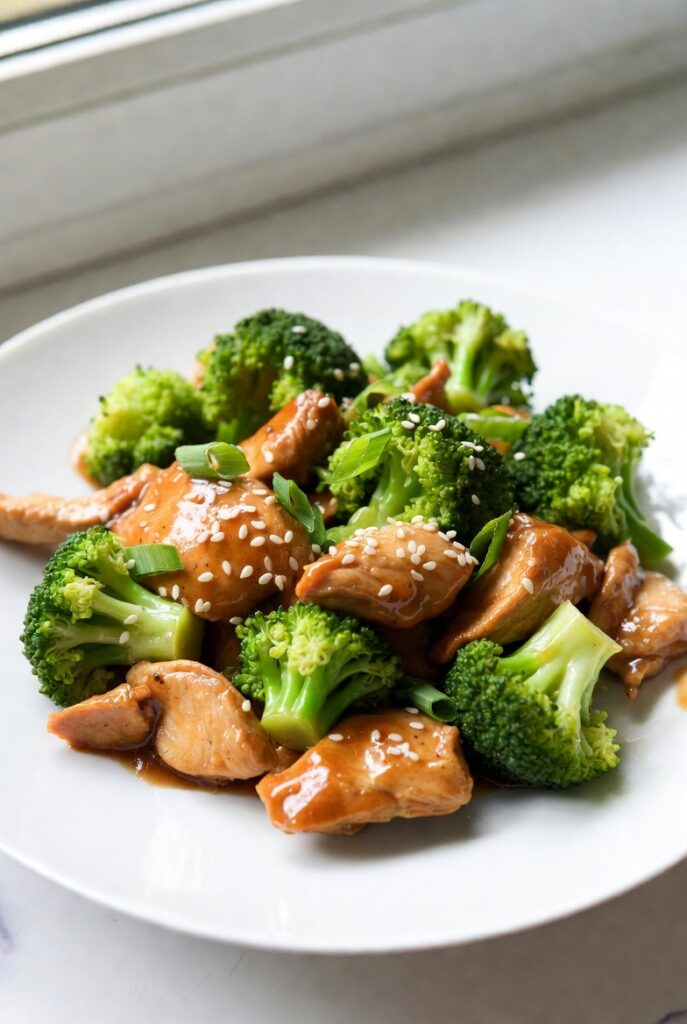
1. Introduction: The Architecture of High-Heat Efficiency
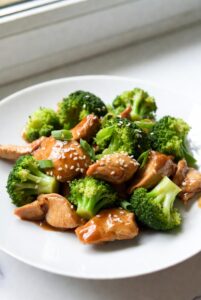
In the fast-paced ecosystem of modern “Performance Dining,” the Chicken and Broccoli Stir-Fry represents a masterful “Structural Equilibrium.” While often dismissed as a standard takeout staple, a true “Master Draft” of this dish is a study in Kinetic Energy and Textural Contrast. It is the ultimate “Zero-Friction” meal—a high-protein, fiber-dense assembly that leverages the speed of conduction to lock in micronutrients that are often lost in slower cooking methods.
The brilliance of this stir-fry lies in the “Wok-Hei” (Breath of the Wok). It is a dish defined by the rapid “Searing of the Protein” and the “Flash-Steaming of the Crucifer.” By subjecting lean chicken breast and fibrous broccoli to high-intensity heat in a controlled “Lipid Matrix,” we achieve a caramelized exterior while maintaining a “Shatter-Crisp” interior. For the modern host or the high-performance athlete, this is the “Platinum Standard” of utility: it provides a high volume of “Satiety-Inducing” fiber and lean amino acids, delivered with a sophisticated, umami-rich glaze that satisfies the most demanding palate in under 20 minutes.
2. The Science of the “Maillard-Velvet” Integration
To master the Chicken and Broccoli Stir-Fry, one must understand the chemical potential of the “Velveting” Technique. This is the secret of the professional Chinese kitchen. Chicken breast, being low in fat, is prone to “Protein Over-Coagulation,” which results in a dry, stringy texture.
The “Velveting” process involves coating the sliced chicken in a “Biological Shield” of cornstarch, soy sauce, and a hint of oil. When this coated chicken hits the hot wok, the cornstarch gelatinizes instantly, creating a microscopic “Moisture Barrier.” This allows the exterior to brown (the Maillard Reaction) while the interior remains “Silken” and succulent.
Furthermore, we utilize the “Cellular Expansion” of the broccoli. Broccoli is a complex structure of florets and stalks. By introducing a small volume of liquid (the sauce) into the high-heat environment, we create a “Steam Burst” that penetrates the dense florets. This cooks the broccoli from the inside out in seconds, preserving the Sulforaphane and Vitamin C that would otherwise degrade during prolonged boiling or roasting.
3. Recipe Overview: The Master Blueprint
- Cuisine Type: Authentic Cantonese-Fusion / Performance Nutrition
- Difficulty Level: Easy (Focus on “Mise en Place”)
- Total Preparation Time: 15 Minutes (Includes slicing and velveting)
- Total Cooking Time: 8 Minutes
- Total Time: 23 Minutes
- Dietary Classifications: High-Protein, Low-Fat, Dairy-Free. (Can be Gluten-Free with Tamari).
- Yield: Serves 4
4. Equipment and Tools: The Essentials of Conduction
In stir-fry, the “Vessel” is as important as the “Ingredient.”
- 14-inch Carbon Steel Wok or Heavy Cast Iron Skillet: Carbon steel is the “Industry Standard” for its rapid thermal response. It heats up and cools down instantly, giving you precise control over the “Searing Phase.”
- Wok Spatula (Chuan): The curved edge is designed to follow the contours of the wok, ensuring “High-Velocity Movement” of the ingredients.
- Sharp Chef’s Knife: Essential for “Uniform Slicing.” In a stir-fry, every piece of chicken must be the same thickness to ensure they all reach “Target Succulence” at the same moment.
5. Ingredients Section: Sourcing for Snap and Succulence
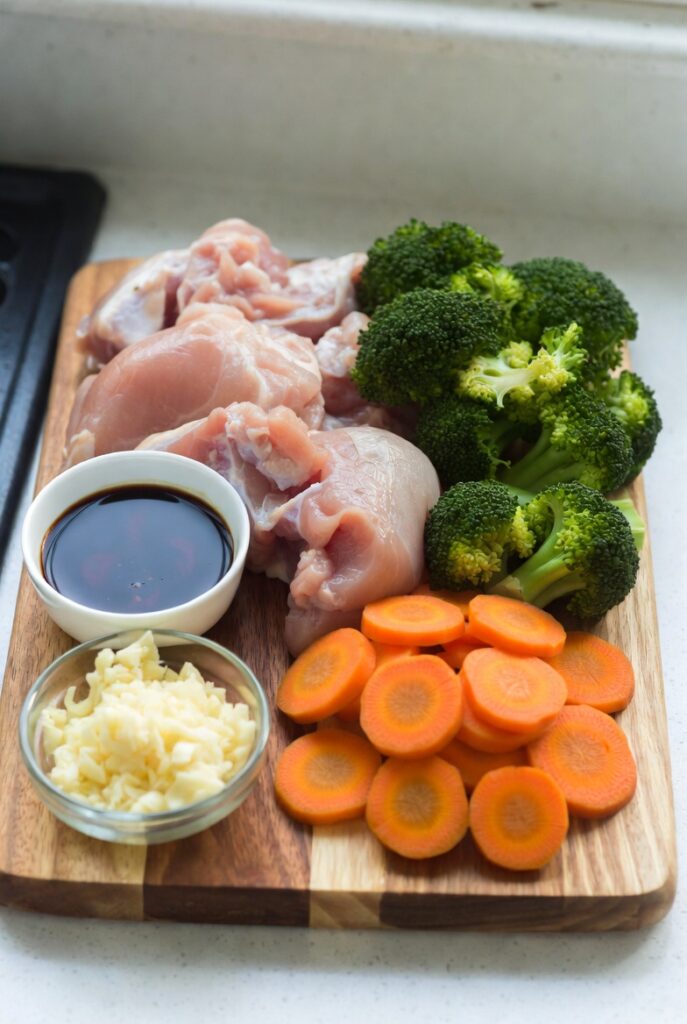
In a dish with a focused profile, the “Snap” of the vegetable and the “Grain” of the meat dictate the final quality.
The Protein Anchor
- Chicken Breast: 1.5 lbs. Sliced against the grain into 1/4-inch “Medallions.”
- The Velvet Wash: 1 tbsp Cornstarch, 1 tbsp Soy Sauce, 1 tsp Toasted Sesame Oil.
The Cruciferous Matrix
- Broccoli Florets: 4–5 cups. Cut into “Bite-Sized Trees” with the stems peeled and sliced (do not discard the stems; they contain the highest concentration of fiber).
- Aromatics: 2 tbsp Fresh Ginger (matchstick cut), 4 cloves Garlic (minced), and 3 Scallions (sliced on the bias).
The “Umami Engine” (The Sauce)
- Oyster Sauce: 3 tbsp (The “Base Note”).
- Soy Sauce: 1 tbsp (The “Salt Spike”).
- Chicken Stock: 1/2 cup (The “Liquid Volume”).
- Brown Sugar or Honey: 1 tsp (The “Glucose Balance”).
- Cornstarch: 1 tsp (The “Viscosity Agent”).
6. The “Mise en Place” Mandate
The most common failure in stir-frying is “Sequence Panic.” Because the cooking process moves at a “High-Velocity,” there is zero time to chop ingredients once the oil begins to smoke.
To achieve a “Master Draft” result, you must follow the “Mise en Place” mandate. Every component—the velveted chicken, the pre-mixed sauce, the sliced aromatics, and the broccoli—must be arranged in “Chronological Order” next to the stove. This allows the cook to maintain “Kinetic Flow,” ensuring that the garlic doesn’t burn while you’re searching for the oyster sauce. Stir-frying is $80\%$ preparation and $20\%$ execution.
7. Deep Dive: Sulforaphane and the “Cruciferous Shield”
Why is Chicken and Broccoli Stir-Fry a strategic choice for the “Elite-Tier” diet? It centers on Sulforaphane. Broccoli is a member of the Brassicaceae family, containing high levels of glucoraphanin. When the broccoli is cut and then “Flash-Headed,” an enzyme called myrosinase converts it into sulforaphane.
Sulforaphane is a potent activator of the Nrf2 pathway, which triggers the body’s production of “Phase II Detoxification Enzymes.” These enzymes act as a “Biological Shield,” neutralizing free radicals and protecting cells from DNA damage. By flash-cooking the broccoli in a stir-fry rather than boiling it, you prevent these water-soluble nutrients from leaching into the water. You are essentially delivering a “Cellular Defense System” in a highly palatable format.
8. Step-by-Step Instructions: The Master Blueprint
Step 1: The Velveting Protocol
In a medium bowl, toss the sliced chicken with the cornstarch, soy sauce, and sesame oil. Let it rest for 15 minutes. This “Structural Pre-Treatment” is what ensures the chicken remains “Silken” even under extreme heat.
Step 2: The Sauce Emulsion
In a small jar, whisk together the oyster sauce, soy sauce, chicken stock, sugar, and the extra teaspoon of cornstarch. This is your “Flavor Engine.” Set it aside.
Step 3: The “Smoking-Point” Sear
Heat your wok over High Heat until you see the first “Whisper of Smoke.” Add 2 tablespoons of a high-smoke-point oil (Avocado or Grapeseed). Add the chicken in a single layer. Do not stir for 60 seconds. You want a “Hard Maillard Sear” on the first side.
Step 4: The Protein Extraction
Toss the chicken for another 2 minutes until it is $90\%$ cooked. Remove the chicken from the wok and set it aside on a plate. This prevents “Over-Coagulation” while you cook the vegetables.
Step 5: The Aromatic Bloom
Add another teaspoon of oil to the wok. Add the ginger, garlic, and the white parts of the scallions. Stir for 30 seconds. The air should become “Aromatically Saturated.”
Step 6: The “Steam-Flash” Broccoli
Add the broccoli florets and stalks to the wok. Add 2 tablespoons of water or stock and immediately cover with a lid for 60–90 seconds. This “Steam-Flash” ensures the broccoli is cooked through but maintains a “Vibrant Jade” color and “Shatter-Crisp” snap.
Step 7: The “Final Marriage”
Remove the lid. Return the chicken and any accumulated juices to the wok. Pour the “Umami Engine” sauce over the mixture.
Step 8: The “Viscosity Peak”
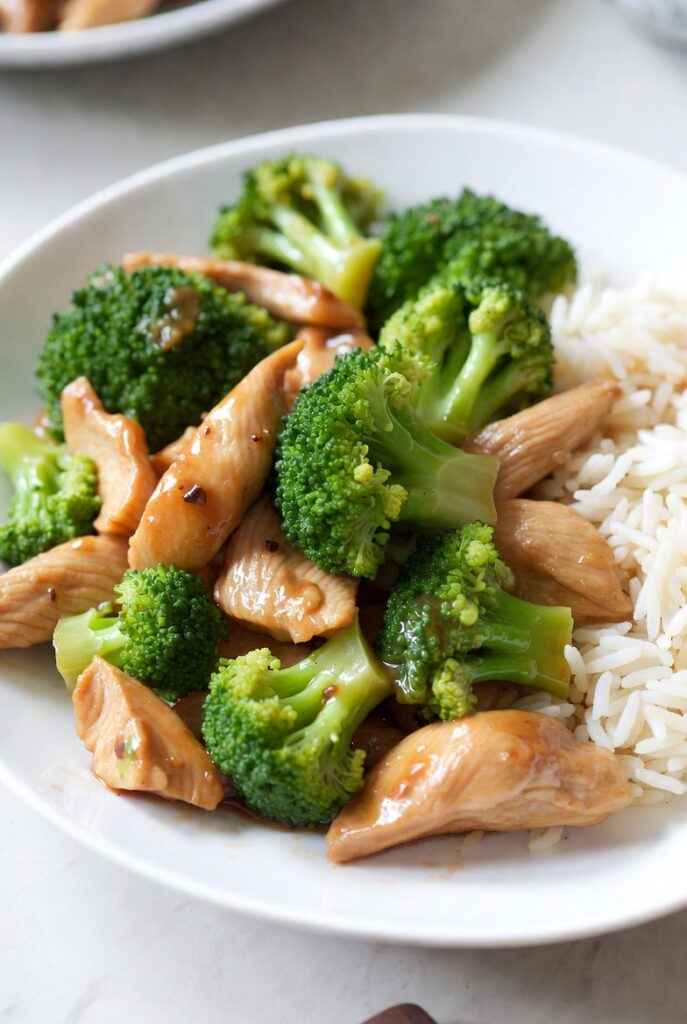
Toss everything together over high heat for 1 minute. The cornstarch in the sauce will “Gelatinize,” turning from a cloudy liquid into a “Glistening, Translucent Glaze” that clings to every crevice of the broccoli.
9. Satiety and the “Volume-to-Protein” Ratio
The Chicken and Broccoli Stir-Fry is a premier example of “Volumetric Satiety.” In nutritional science, satiety is governed by both “Gastric Distension” (the physical fullness of the stomach) and “Hormonal Signaling” (the brain recognizing protein intake).
By providing a massive volume of “High-Fiber” broccoli, we trigger the stretch receptors in the stomach almost immediately. Simultaneously, the “Lean Amino Acids” from the chicken trigger the release of Peptide YY, the hormone that signals the end of the hunger cycle. This ensures that you feel “Full” on a relatively low-calorie load, making this the ideal meal for “Body Composition Management” and sustained afternoon energy.
10. Modular Variations: Customizing the Intensity
The Chicken and Broccoli Stir-Fry is a flexible “Flavor Template.” You can adapt it to match your specific performance goals:
- The “Inferno” Standard: Add 1 tablespoon of Sambal Oelek or sliced bird’s eye chilies during the “Aromatic Bloom” for a “Thermogenic Boost.”
- The “Keto-Pure” Pivot: Replace the cornstarch with a pinch of Xanthan Gum and use a “Sugar-Free” oyster sauce substitute.
- The “Pro-Biotic” Finish: Top with a drizzle of unpasteurized miso paste (after the heat is off) for a “Gut-Health” fortification.
- The “Complex-Carb” Base: Serve over Black Rice or Quinoa for a “Slow-Release” glycogen load.
11. Storage and Reheating: The “Starch-Retrogradation” Strategy
Stir-fry is often better the next day, provided it is reheated with “Precision.”
- Refrigeration: Store in an airtight glass container for up to 3 days.
- The Reheat: To avoid “Rubbery Chicken,” do not use a microwave at full power. Instead, use a “Steam-Reheat” method: place the stir-fry in a skillet with a splash of water, cover, and heat over medium for 3 minutes. This “re-hydrates” the cornstarch glaze and gently warms the protein without toughening the fibers.
- The “Breakfast” Hack: Leftover stir-fry is an “Elite” filling for a savory omelet or as a topping for “Savory Oatmeal.”
12. Frequently Asked Questions (FAQ)
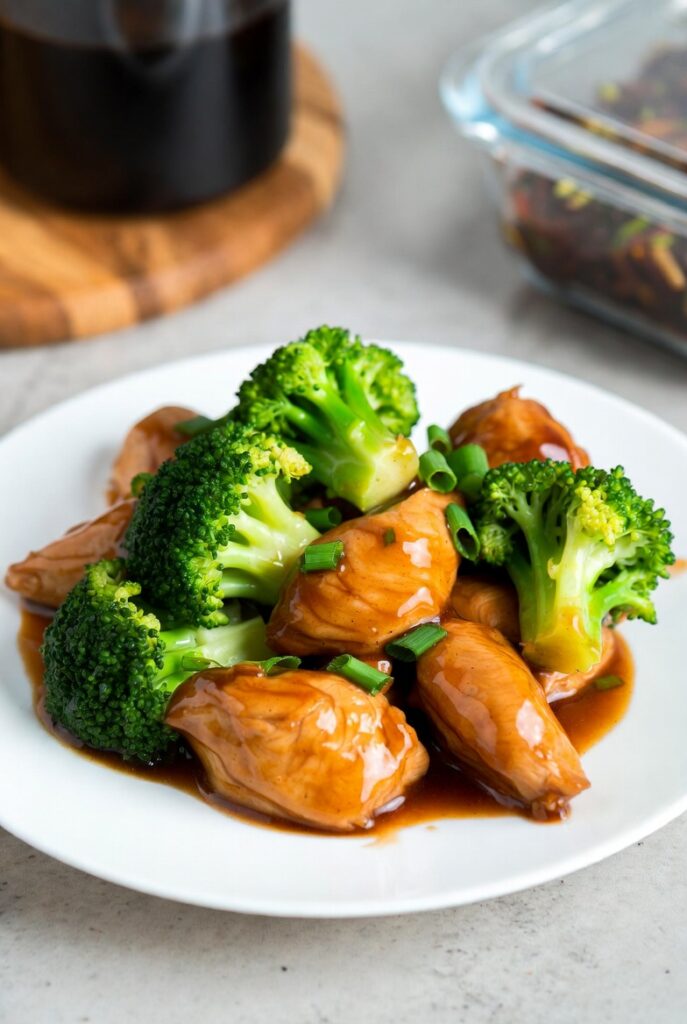
Q: Why is my stir-fry watery?
A: This usually happens because the pan wasn’t hot enough or you overcrowded the wok. When too much cold food hits the pan at once, the temperature drops, and the vegetables “bleed” water instead of searing. Cook in batches if necessary.
Q: Can I use frozen broccoli?
A: You can, but it is the “Lowest Tier” choice. Frozen broccoli has already been blanched, meaning its “Structural Integrity” is compromised. It will never achieve the “Shatter-Crisp” snap of fresh broccoli.
Q: Is Oyster Sauce necessary?
A: Yes. It provides the “Savory Base Note” and the “Viscosity” that soy sauce alone cannot provide. If you are vegetarian, look for “Mushroom-Based” vegetarian oyster sauce.
13. Nutritional Information
(Per serving – approx. 2 cups)
| Nutrient | Amount |
| Calories | 310 kcal |
| Protein | 38g |
| Total Fat | 9g |
| Net Carbs | 14g |
| Fiber | 6g |
| Sulforaphane | High |
14. Summary: The Master Draft of Kinetic Cooking
The Chicken and Broccoli Stir-Fry is more than a recipe; it is a system for “Sensory Maximization.” It proves that “Healthy Eating” can be synonymous with “High Intensity.” By mastering the “Velveting Protocol” and the “Smoking-Point Sear,” you are delivering a dish that is biologically satisfying, culturally rich, and industrially efficient. It is the ultimate fuel for a high-performance life, delivered in a “Glistening, Jade-Green” package.