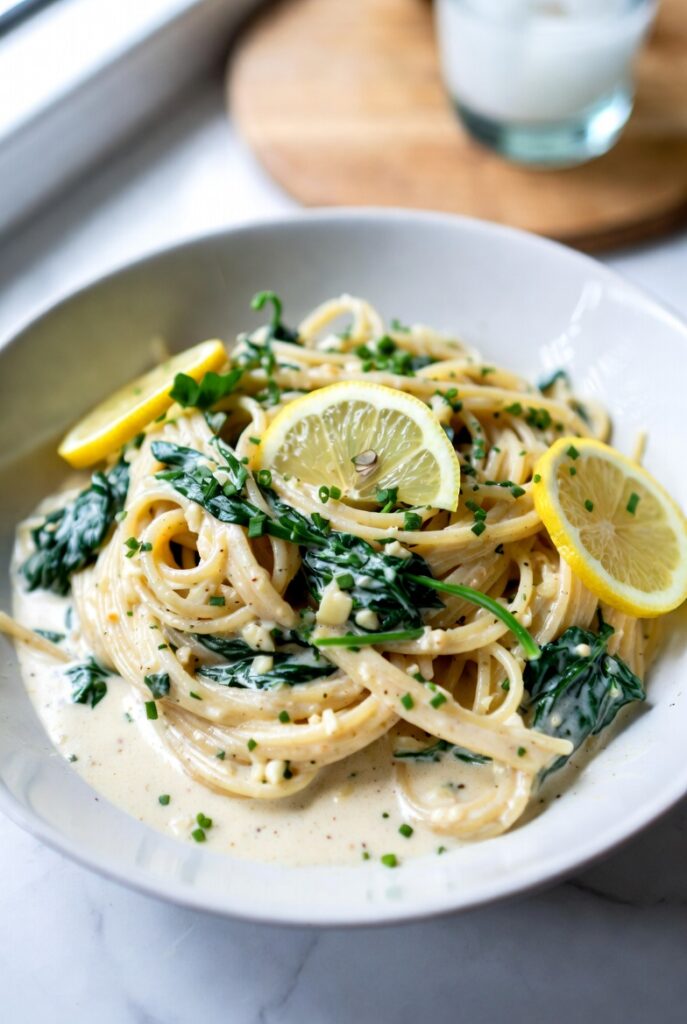
1. Introduction: The Architecture of the “Flash-Emulsion”
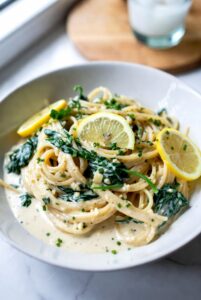
In the fast-paced ecosystem of the modern kitchen, where time is the most precious non-renewable resource, the 15-Minute Lemon Garlic Butter Pasta with Spinach represents the ultimate “Utility Pivot.” It is a dish that rejects the long-simmered complexity of traditional Italian ragùs or heavy French mother sauces in favor of “Thermal Immediacy” and “Vibrant Acidity.” This contemporary draft is a study in “Lipid-Citrus Balance”—pairing the heavy, luxurious mouthfeel of high-quality butter with the sharp, volatile oils of fresh lemon.
The brilliance of this dish lies in its “Zero-Friction” flow. By utilizing the exact duration it takes for dry pasta to reach al dente to construct a “Flash-Emulsion” of garlic, butter, and starchy water, we eliminate the need for a secondary sauce-making phase. For the high-performance professional, the exhausted parent, or the athlete in need of rapid glycogen replenishment, this is the “Platinum Standard” of weeknight recovery fuel. It is a dish that understands that “Gourmet” is not a measure of time spent, but a measure of chemical precision and ingredient integrity.
2. The Science of the “Starch-Butter Matrix”
To master this 15-minute meal, one must look past the simplicity of the ingredients and understand the molecular behavior of Pasta Water. In its raw state, butter and lemon juice are essentially “Hydrophobic” in relation to a wheat-based noodle. Without a bridge, the fats will simply slide off the pasta and pool at the bottom of the plate, resulting in a greasy, disconnected finish.
The secret to a professional-grade result is the “Mechanical Emulsion.” As pasta cooks in boiling water, it sheds amylose and amylopectin (starches) from its surface. This water becomes a cloudy, “liquid gold” suspension. By introducing a small volume of this starchy water into the butter and lemon mixture while applying high-velocity agitation (tossing), the starch molecules act as an emulsifier. They bridge the gap between the fat globules and the acidic citrus juice, creating a “Velvet Glaze” that clings to every strand of pasta. This ensures that every bite is “Aromatically Saturated” without feeling heavy or oily—a process known in professional kitchens as mantecatura.
3. Recipe Overview: The Master Blueprint
- Cuisine Type: Modern Mediterranean / Performance Utility
- Difficulty Level: Very Easy (Precision timing focus)
- Total Preparation Time: 5 Minutes
- Total Cooking Time: 10 Minutes
- Total Time: 15 Minutes
- Dietary Classifications: Vegetarian. (Easily adaptable to Vegan with plant-based butter; Gluten-Free with chickpea or lentil pasta).
- Yield: Serves 2 to 3
4. Equipment and Tools: The Essentials of “Parallel Processing”
In a 15-minute execution, the “Vessel” and the “Agitator” are critical components.
- 12-inch Stainless Steel Skillet: The wide surface area is essential for the “Toss Phase,” allowing for rapid evaporation of excess moisture and even coating of the noodles.
- Large Stock Pot: For the pasta boil. Using a pot that is slightly too small for the water volume actually benefits this dish by increasing the Starch Concentration of the pasta water.
- Microplane or Zester: Essential for achieving a “Micro-Zest” (releasing the aromatic limonene oils) and finely grating the Parmesan for an instant melt.
- Heavy-Duty Tongs: These are the primary “Agitator” for the mechanical transfer and the emulsion phase.
5. Ingredients Section: Sourcing for Vibrancy
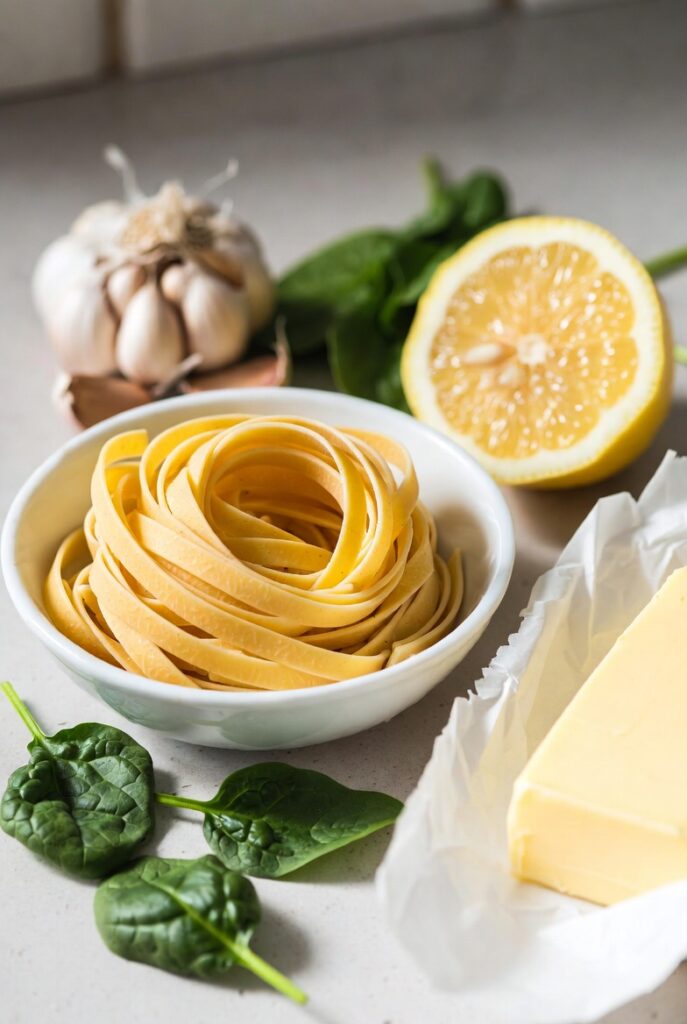
In a dish with minimal components, there is no “Flavor Noise” to hide mediocrity. The integrity of your fats and the peak ripeness of your citrus determine the final outcome.
The Starch Anchor
- Dried Linguine or Spaghetti: 250g. Look for “Bronze-Cut” pasta (Pasta al Bronzo). Traditional Teflon-cut pasta is too smooth; bronze-cut pasta has a micro-rough surface area that is scientifically optimized for “Emulsion Adhesion.”
The “Aromatic Lipid” Matrix
- Unsalted Butter: 4 tbsp (60g). High-quality, grass-fed butter (like Kerrygold) provides a “Nutty Depth” and a higher Vitamin A content than standard options.
- Garlic: 4–6 cloves. Thinly sliced for “Garlic Chips” or minced for a more aggressive infusion.
- Fresh Lemon: 1 large. You require both the juice (the acidic backbone) and the zest (the volatile aromatic oils).
- Red Pepper Flakes: 1/2 tsp for the “Capsaicin Spark” to balance the richness.
The “Vibrant” Finish
- Baby Spinach: 4 cups, fresh. Spinach is $90\%$ water, so it provides “Volumetric Fiber” and a massive dose of micronutrients without adding heavy calories.
- Parmesan Cheese: 1/2 cup, freshly grated. This provides the “Saline Spike” and additional proteins to help stabilize the sauce.
- Pasta Water: 1/2 to 1 cup (Reserved from the boiling pot).
6. The “Parallel-Cooking” Protocol
The most common failure in 15-minute meals is “Sequential Lag”—the habit of waiting for the pasta to finish before starting the sauce components. To achieve a “Master Draft” finish, you must utilize the “Parallel-Cooking Protocol.”
The moment the pasta hits the boiling water, your “Skillet Clock” begins. You have exactly 8–10 minutes (the average boil time for linguine) to melt the butter, bloom the garlic, and zest the lemon. If you wait until the pasta is sitting in a colander to start the sauce, the pasta will cool and its surface starch will “set,” preventing the sauce from binding. The goal is a “Hot-on-Hot” integration where the pasta moves directly from the boiling water into the simmering butter.
7. Deep Dive: Vitamin K and the “Lipid-Absorption” Bridge
Why is Lemon Garlic Butter Pasta with Spinach a strategic nutritional choice for the high-performance individual? It centers on the Bioavailability of Vitamin K and Vitamin A. Spinach is a nutrient powerhouse, packed with phylloquinone (K1) and beta-carotene. However, these vitamins are Fat-Soluble. If you consume raw spinach in a dry salad, your body can only absorb a fraction of these vital molecules. By “Flash-Wilting” the spinach in a butter and olive oil matrix, you are providing the “Lipid Delivery Vehicle” necessary for your digestive system to transport these nutrients across the intestinal wall and into your bloodstream. This is “Nutritional Engineering” disguised as a simple comfort meal—maximizing the health ROI (Return on Investment) of every leaf of spinach while satisfying the palate.
8. Step-by-Step Instructions: The Master Blueprint
Step 1: The Pasta Launch
Bring a large pot of water to a boil. Add a generous amount of salt (it should taste like the sea). Add the pasta. Set a timer for 2 minutes less than the package directions. We are aiming for “True Al Dente”—pasta with a firm, structural “bite” that will finish cooking in the sauce.
Step 2: The Lipid Foundation
While the pasta boils, place your large skillet over medium heat. Add the butter (and a splash of olive oil to raise the smoke point). Add the garlic and red pepper flakes. Sauté for 2–3 minutes. We are looking for the garlic to become “Aromatically Saturated” and turn a “Pale Straw Gold.” If the garlic turns dark brown, it becomes bitter and will ruin the delicate lemon profile.
Step 3: The Citrus Bloom
Using your microplane, zest the lemon directly into the butter. The heat will cause the lemon’s volatile oils to “Bloom,” saturating the fat with citrus aroma. Add half of the lemon juice to the skillet as well.
Step 4: The Mechanical Transfer
When the timer goes off, use your tongs to move the pasta directly from the boiling water into the skillet. Do not drain the pasta water. The water clinging to the noodles is the “Glue” for your sauce.
Step 5: The Emulsion Build
Add 1/2 cup of the starchy pasta water to the skillet. Increase the heat to medium-high. Use your tongs to toss and stir the pasta vigorously for 60–90 seconds. This “High-Energy Agitation” is what forces the butter, lemon, and starch to form that glistening, velvet glaze.
Step 6: The “Jade-Green” Finish
Add the 4 cups of baby spinach to the skillet. Toss for 30–60 seconds. The residual heat and the steam from the sauce will wilt the spinach until it is a “Vibrant Jade,” but before it becomes “Misty” or gray. Turn off the heat.
Step 7: The Final Saline Polish
Stir in the grated Parmesan and the remaining lemon juice. The cheese will melt into the glaze, adding a “Salty-Creamy” finish and providing the final layer of flavor. Serve immediately in warm bowls.
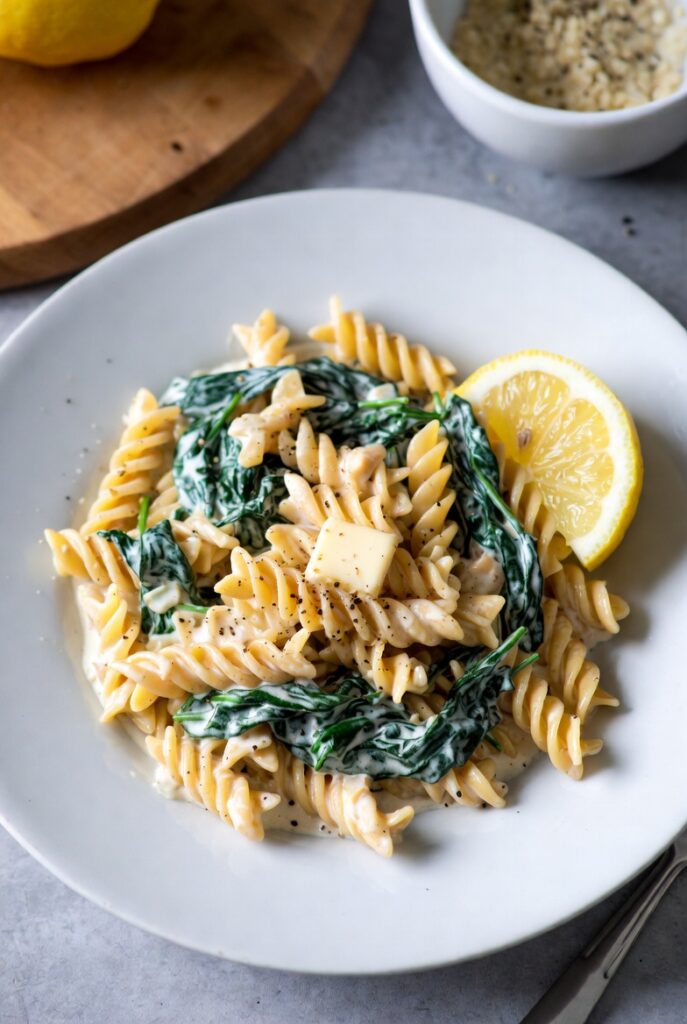
9. Satiety and the “Glucose-Lipid” Buffer
This pasta dish is engineered for “Stable Satiety.” A plate of plain white pasta can cause a rapid insulin spike, followed by a lethargic “Carb Crash.” However, by coating the wheat strands in a “Lipid Matrix” of grass-fed butter and Parmesan cheese, and introducing the high-fiber volume of four cups of spinach, you are effectively slowing down the Gastric Emptying Process.
This creates a “Flattened Glucose Curve.” The fats and fiber act as a “Metabolic Buffer,” ensuring that the carbohydrates are converted into energy slowly over the course of 3–4 hours. For the modern professional, this means sustained mental clarity and physical stamina post-lunch, rather than a 3:00 PM slump. It is “High-Octane Fuel” for a high-intensity life.
10. Modular Customization: The “Base” Options
While the “Master Draft” is designed for 15-minute efficiency, it is a highly flexible template:
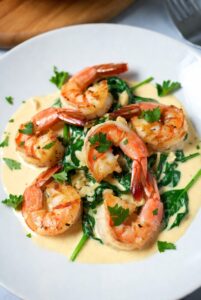
- The “Protein” Fortification: Toss in a handful of pre-cooked rotisserie chicken or seared shrimp during the “Emulsion Build” (Step 5) to increase the amino acid profile.
- The “Nutty” Pivot: Add 2 tablespoons of toasted pine nuts or slivered almonds at the end for a “Textural Contrast.”
- The “Plant-Based” Standard: Substitute the butter with high-quality Extra Virgin Olive Oil and the Parmesan with Nutritional Yeast for a “Vegan-Pure” performance meal.
- The “Elite” Acid: Use a splash of dry white wine (Pinot Grigio) to deglaze the garlic before adding the pasta water for a deeper, more sophisticated acidity.
11. Storage and Reheating: The “Starch-Retrogradation” Problem
- Refrigeration: Store in an airtight glass container for up to 2 days.
- The Reheat Challenge: Pasta dishes with butter-based emulsions often separate when reheated in a microwave. The starch “retrogrades” and the butter turns to oil.
- The “Skillet Recovery” Hack: To restore the original “Velvet Standard,” reheat the pasta in a skillet over low heat. Add 2 tablespoons of water or milk and toss gently. This “re-hydrates” the starch and allows the emulsion to re-form, returning the dish to its 15-minute glory.
12. Frequently Asked Questions (FAQ)
Q: Can I use bottled lemon juice?
A: Negative. Bottled lemon juice has been heat-treated and often contains preservatives that alter the pH and flavor profile. To achieve the “High-Vibrancy” standard, you must use fresh lemon zest and juice.
Q: Why is my spinach so watery?
A: This usually happens if you overcook the spinach. It only needs 30–60 seconds in the hot pan. If you cook it longer, the cell walls collapse and release all their internal water into your sauce, making it thin.
Q: Is it okay to use pre-grated Parmesan?
A: Not if you want a smooth sauce. Pre-grated cheese is often coated in cellulose or potato starch to prevent clumping. This starch will prevent the cheese from melting properly, resulting in a “grainy” or “clumpy” sauce. Grate it fresh for the “Master Draft” finish.
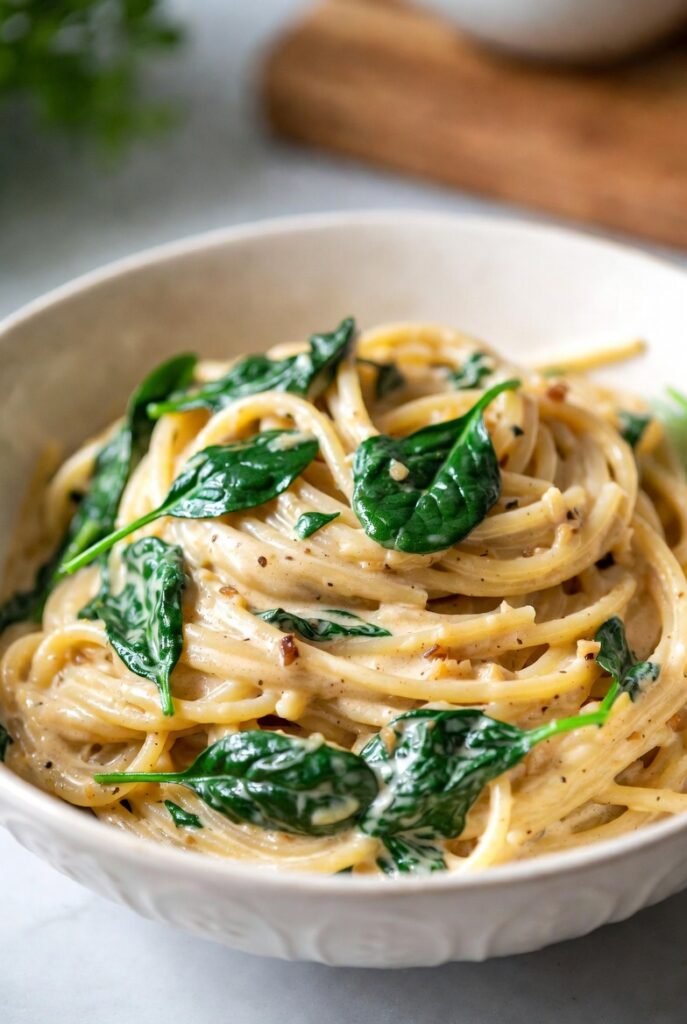
13. Nutritional Information
(Per serving – approx. 2 cups)
| Nutrient | Amount |
| Calories | 510 kcal |
| Protein | 16g |
| Total Fat | 22g |
| Net Carbs | 58g |
| Fiber | 5g |
| Vitamin K | 180% DV |
| Vitamin A | 60% DV |
14. Summary: The Master Draft of High-Velocity Utility
The 15-Minute Lemon Garlic Butter Pasta with Spinach is more than a recipe; it is a system for “Sensory Maximization through Efficiency.” It proves that “Healthy Eating” does not require hours of labor or a litany of expensive ingredients. By mastering the “Mechanical Emulsion” and the “Parallel-Cooking Protocol,” you are unlocking a new dimension of kitchen capability.
It is a dish that honors the body’s need for micronutrients and the mind’s need for culinary satisfaction, all while respecting the constraints of a modern schedule. It is the ultimate fuel for a high-performance life, delivered in a glistening, “Jade-Green” and “Citrus-Gold” package.