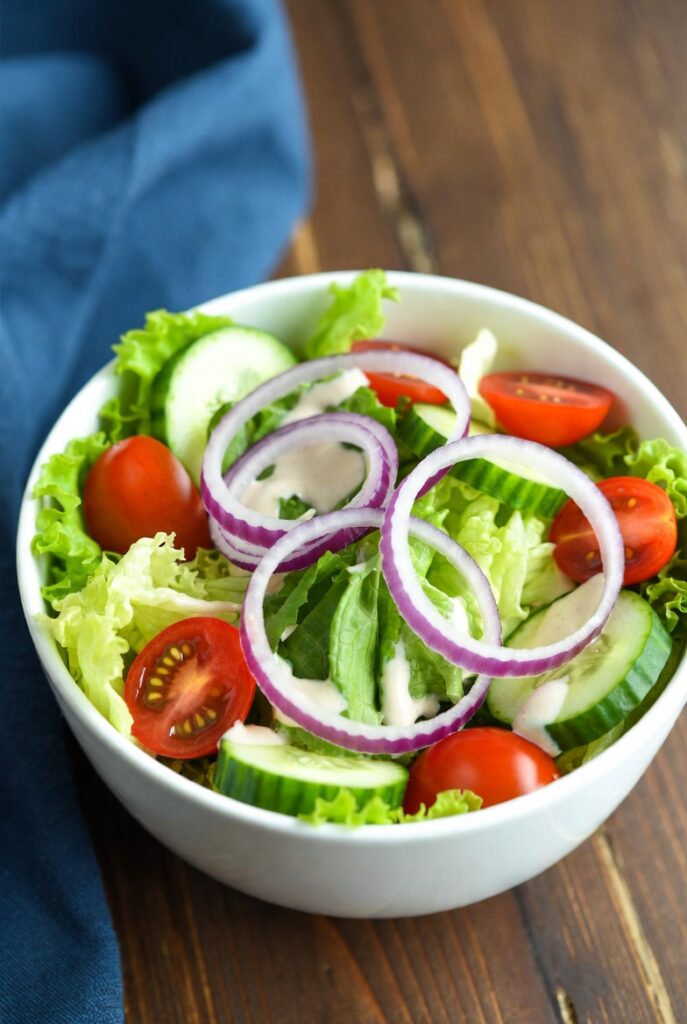
The “House Salad” is often dismissed as a perfunctory menu filler, a bowl of tired iceberg lettuce and flavorless pale tomatoes that serves as a mere placeholder before the main event. This is a profound misunderstanding of the dish’s potential. When approached with intention, the House Salad is a showcase of seasonal architecture—a crisp, vibrant, and perfectly balanced precursor that sets the tone for a meal.
A great House Salad is not about how many ingredients you can pile into a bowl; it is about the harmonious calibration of crunch, acidity, sweetness, and fat. Whether you are serving a simple dinner for two or hosting a sophisticated gathering, mastering the House Salad is your first step toward becoming a better cook.
1. The Philosophy of the “Balanced Bowl”
To elevate a salad from “obligatory greens” to a culinary highlight, you must follow the rule of Textural Diversity. A salad that is exclusively soft is boring; a salad that is exclusively crunchy is exhausting.
A successful House Salad requires three structural components:
- The Foundation (Greens): A mix of textures.
- The Tension (Vegetables): Ingredients that provide a crisp, firm bite.
- The Bridge (Dressing): A vinaigrette that coats but does not drown.
2. Selecting Your Foundation: The Greens Protocol
The error most home cooks make is using only one type of lettuce. A singular flavor profile—like pure Romaine—can be one-dimensional. Instead, blend your greens to create a more complex “leaf landscape.”
- The Bitter/Peppery Base: Arugula or watercress adds a sophisticated, sharp bite.
- The Crisp Base: Romaine hearts or Little Gem provide the necessary “crunch” that holds up to heavier dressings.
- The Soft Base: Butter lettuce or baby spinach provides a silky, delicate counterpoint.
Pro-Tip: Always buy your greens whole rather than pre-bagged. The integrity of a leaf starts to degrade the moment it is sliced. Wash, spin, and dry your greens meticulously. A damp leaf is a slippery leaf, and dressing will slide right off a wet surface, leaving you with a watery, unappealing bowl.
3. The “Tension” Elements: Vegetables and Accents
This is where you bring the “brightness” to the salad. Think about colors and textures that contrast with the softness of the leaves.
- The Snap: Thinly sliced radishes, English cucumbers, or shaved fennel. These should be sliced paper-thin so they integrate into the bite of a leaf rather than acting as heavy, awkward obstacles.
- The Sweetness: Cherry tomatoes, halved. If you want to elevate these, roast them lightly in a pan with a touch of balsamic for 2 minutes to concentrate their sugars.
- The Creamy Contrast: Avocado or a very light crumble of feta or goat cheese. Keep these portions small; the goal is to provide a “pop” of creaminess, not to turn the salad into a dip.
4. The Dressing: The “Vinaigrette-Equilibrium”
A professional House Salad dressing is usually a variation of the classic 3:1 ratio—three parts oil to one part acid.
- The Acid: Use a mix. A base of high-quality red wine vinegar or apple cider vinegar, perhaps with a squeeze of fresh lemon juice, provides a multifaceted acidity.
- The Oil: Use a high-quality extra virgin olive oil. Because you are consuming it raw, the quality is paramount.
- The Stabilizer: A teaspoon of Dijon mustard is non-negotiable. It acts as an emulsifier, preventing the oil and vinegar from separating on the plate.
- The Aromatics: Finely minced shallots, a pinch of sugar (to balance the acid), salt, and plenty of freshly cracked black pepper.
The Method: Combine your vinegar, mustard, shallots, salt, and pepper in a small bowl. Whisk until the salt is dissolved. Slowly drizzle in the olive oil while whisking constantly. You are looking for a dressing that looks cloudy and creamy, not broken and oily.
5. Assembly: The Art of the Toss
The biggest mistake in home salad preparation is dressing the salad too early.
- Chilling: If possible, chill your salad bowl. A cold bowl keeps the greens crisp while you are serving.
- The Dressing Application: Place your greens in a large bowl—never dress in the serving bowl. Add only half the dressing you think you need. Use your clean hands or two large tongs to gently lift and toss the leaves.
- The “Glaze” Test: Your goal is for every leaf to have a subtle sheen. There should be no puddles of dressing at the bottom of your mixing bowl. If there is a pool, you have over-dressed.
- Final Flourish: Plate the salad and add your “crunch” (croutons or toasted seeds) at the very last second.
6. The “Seasonal Pivot” Strategy
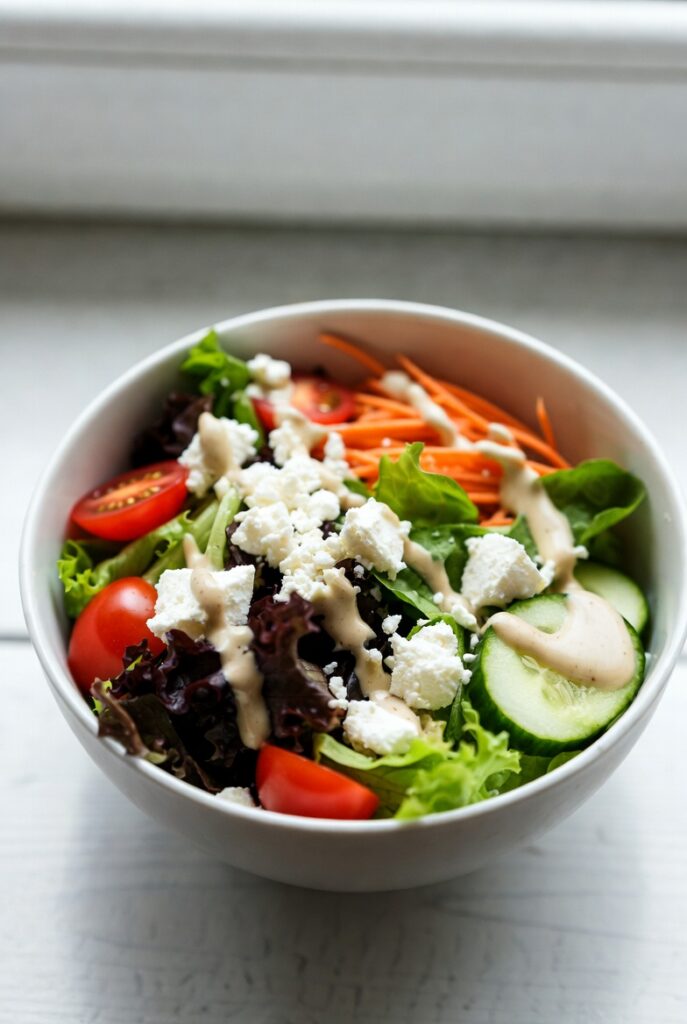
A House Salad should change with the calendar.
- Spring: Add shaved asparagus, snap peas, and fresh mint.
- Summer: Incorporate stone fruit like thinly sliced nectarines and toasted almonds.
- Autumn: Add shaved raw beets, toasted pecans, and perhaps a bit of crisp apple.
- Winter: Lean into bitter greens like radicchio and endive, balanced by citrus segments (like blood orange or grapefruit).
7. Troubleshooting Common Issues
- “The Salad is Wilting”: You likely salted the leaves too early. Salt draws moisture out of the leaves (osmosis). Add your salt to the dressing, not directly to the dry leaves.
- “The Dressing Separates”: You aren’t whisking enough. If you’re making a larger batch, use a jar with a tight lid and shake it vigorously for 30 seconds before serving.
- “It lacks ‘Depth'”: You are likely missing a fat or a crunch. If the salad feels “thin,” add a small amount of toasted walnuts or a very small portion of high-quality parmesan shavings.
8. Conclusion: The Simple Standard
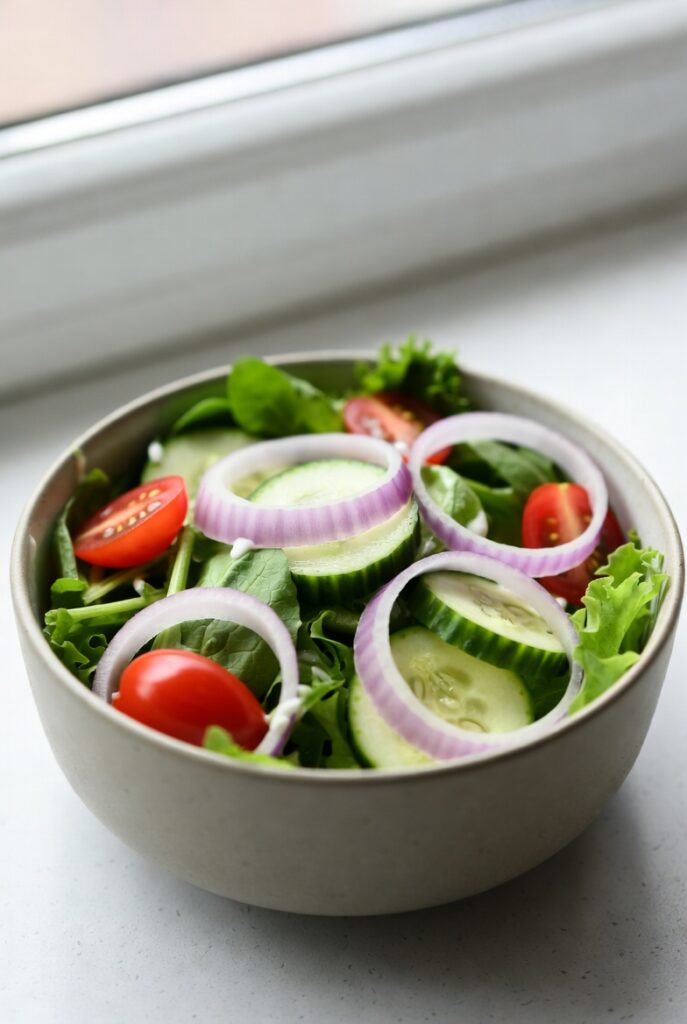
The House Salad is a reflection of the chef’s attention to detail. It is a dish that relies entirely on the quality of its components and the balance of its execution. By focusing on keeping your greens bone-dry, using a perfectly emulsified vinaigrette, and tossing just before serving, you transform a standard course into a bright, refreshing, and essential part of the dining experience. It is the perfect training ground for understanding the fundamental building blocks of flavor.