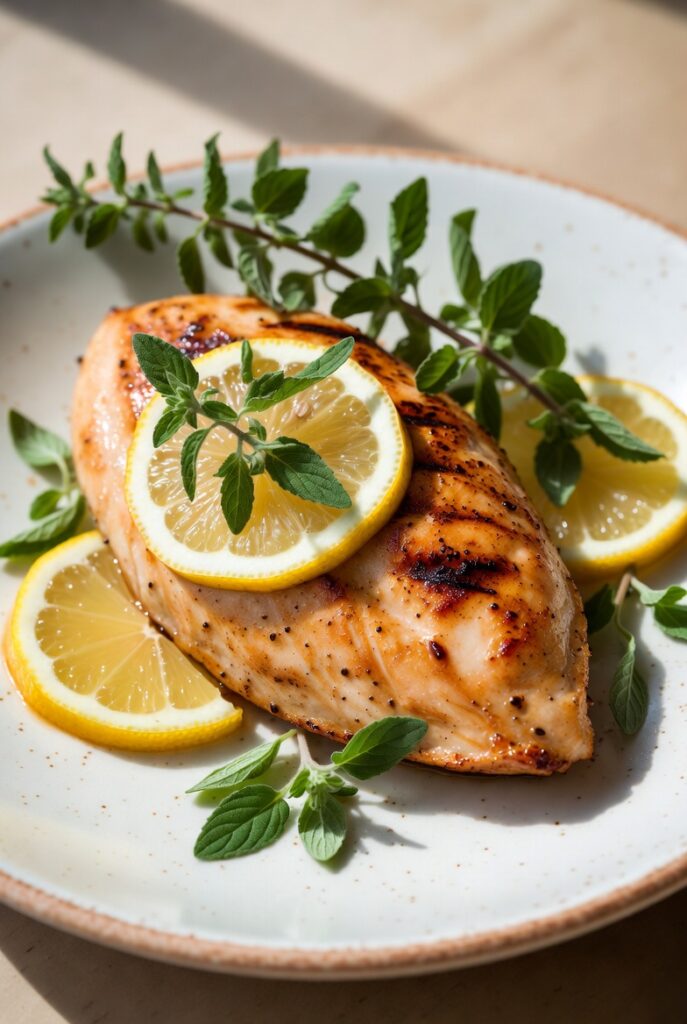
1. Introduction: The Architecture of the “Capsaicin-Citrus” Collision
In the high-resolution world of modern fusion cooking, Spicy Sriracha Lime Chicken stands as a landmark of “Sensory Equilibrium.” This dish is a strategic “Flavor Draft” that utilizes the fermented, garlic-heavy heat of Sriracha to provide a “Thermal Baseline,” which is then immediately punctured by the high-frequency acidity of fresh lime. While many perceive “Spicy Chicken” as a blunt instrument of heat, a true “Master Draft” of this recipe is a study in “Chemical Brightness.”
The brilliance of this dish lies in its “Lipid-Acid Buffer.” By pairing the lean protein of chicken with a glaze that balances glucose (honey), fermentation (Sriracha), and acid (lime), we create a “High-Gloss Lacquer” that doesn’t just sit on the meat but penetrates the fibers. For the high-performance professional, the fitness enthusiast, or the culinary minimalist, this is the “Platinum Standard” of performance fuel: it stimulates the metabolism via “Thermogenic Induction” while providing the essential amino acids required for recovery. It is a dish that understands that “Gourmet” is not about complexity, but about the precision of the “Heat-to-Acid Ratio.”
2. The Science of the “Sriracha-Maillard” Synergy
To master this dish, one must move beyond the bottle and understand the behavior of Fermented Capsaicin under Thermal Stress. Sriracha is not just a hot sauce; it is a complex fermented paste containing sun-ripened chilies, sugar, garlic, and distilled vinegar.
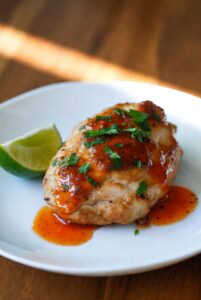
The secret to a “Master Draft” result is the “Flash-Caramelization” of the chili sugars. When the honey and Sriracha mixture is subjected to high heat—either in a skillet or under a broiler—the sugars undergo a rapid Maillard Reaction, bonding with the chicken’s surface proteins. This creates a “Mahogany Crust” that encapsulates the moisture within. Simultaneously, the fermentation of the sauce adds a “Secondary Umami Layer” that fresh chilies cannot provide. This is “Chemical Engineering” disguised as a weeknight dinner, ensuring that every bite is a “Glistening Matrix” of flavor.
3. Recipe Overview: The Master Blueprint
- Cuisine Type: Asian-Americana Fusion / Performance Utility
- Difficulty Level: Very Easy (Order-of-operations focus)
- Total Preparation Time: 15 Minutes (Includes “Aromatic Infusion”)
- Total Cooking Time: 12 Minutes
- Total Time: 27 Minutes
- Dietary Classifications: High-Protein, Low-Fat. (Can be made Paleo with Coconut Aminos).
- Yield: Serves 2–4
4. Equipment and Tools: The Essentials of “Surface Tension”
- Large Cast Iron Skillet: You need a vessel that can handle high heat and maintain “Thermal Inertia” to ensure the glaze doesn’t turn the meat into a boiled mess.
- Microplane: For achieving “Nano-Scale” lime zest and garlic, ensuring the aromatics are “Aromatically Saturated” within the sauce.
- Silicone Tongs: For the “Precision Flip”—essential for ensuring the glaze doesn’t char into bitterness while protecting the chicken’s integrity.
5. Ingredients Section: Sourcing for “High-Resolution” Heat
In a dish defined by its “Acid-Heat” profile, the “Freshness Index” of the citrus and the “Pungency” of the garlic determine the final quality.
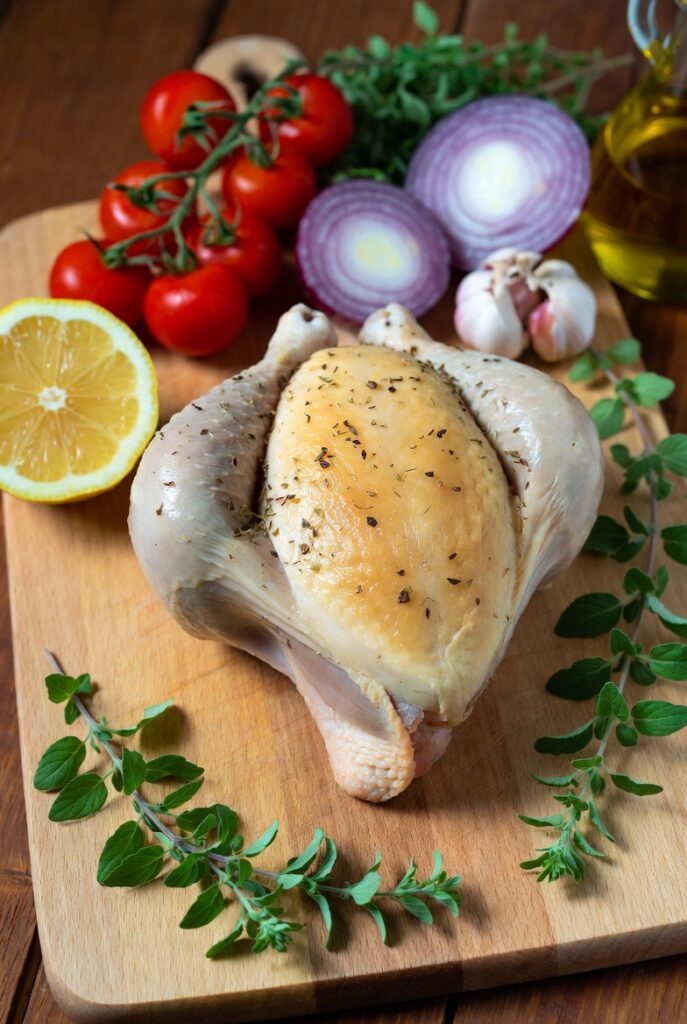
The Protein Anchor
- Chicken Thighs: 1.5 lbs.
- The Master Hack: Use Boneless, Skinless Thighs. The slightly higher fat content acts as a “Lipid Buffer,” carrying the spice deeper into the meat and preventing the “Dry Fiber” texture common in breast meat.
The “Sriracha-Lime” Matrix (The Glaze)
- Sriracha Sauce: 1/4 cup. (The “Thermal Driver”).
- Fresh Lime Juice: 3 tbsp. (The “Acidic High-Note”).
- Honey: 2 tbsp. (The “Glucose Component” for the sticky finish).
- Soy Sauce: 1 tbsp. (The “Saline-Umami” driver).
- Garlic: 3 cloves, microplaned. (The “Allicin Base”).
- Fresh Ginger: 1 tsp, grated. (The “Thermal Clarifier”).
The “Vibrant” Finish
- Lime Zest: 1 tsp. (For “Aromatic Persistence”).
- Cilantro: 1/4 cup, chopped. (The “Chlorophyll Counterpoint”).
- Sesame Seeds: For “Textural Resolution.”
6. The “Zest-Infusion” Protocol
The most common failure in lime-based dishes is the “Vanishing Acid.” When lime juice is heated, its bright, volatile compounds evaporate, leaving only the sourness behind. To achieve a “Master Draft” result, you must utilize the “Zest-Infusion Protocol.”
The juice provides the Sourness, but the zest provides the Aroma. By adding the lime juice to the glaze during cooking and saving the zest for the post-heat finish, you ensure a “Multi-Dimensional” citrus experience. The heat “sets” the juice into the meat, while the fresh zest provides a “High-Frequency” olfactory hit. This is “Aromatic Layering” at its most efficient.
7. Deep Dive: Capsaicin and the “Endorphin-Recovery” Loop
Why is Spicy Sriracha Lime Chicken a strategic choice for post-workout recovery? It centers on Capsaicin-Induced Vasodilation. Capsaicin, the active component in Sriracha, is a known vasodilator, meaning it widens blood vessels and improves circulation.
When consumed after physical exertion, the heat from the chicken facilitates “Nutrient Delivery” to the muscles. Furthermore, the “Pain-Pleasure” response triggered by the spice releases Endorphins, creating a state of “Nutritional Euphoria.” By pairing this with the Vitamin C in the lime (which aids in collagen synthesis), you are creating a “Biological Recovery Matrix.”
8. Step-by-Step Instructions: The Master Blueprint
Step 1: The “Aromatic-Matrix” Synthesis
In a medium bowl, whisk together the Sriracha, honey, lime juice, soy sauce, garlic, and ginger. This is your “Emulsion Base.” Set aside 2 tablespoons of this mixture to use as a “Finishing Polish.”
Step 2: The “Protein-Sear” Phase
Heat 1 tablespoon of avocado oil in your skillet over medium-high heat. Pat the chicken “Bone-Dry” to ensure a Maillard sear. Add the chicken to the pan and cook for 4–5 minutes per side until golden brown and $90\%$ cooked through.
Step 3: The “Glaze-Reduction” Integration
Pour the main sauce mixture over the chicken. The liquid will sizzle and begin to bubble immediately. Use your tongs to “Baste” the chicken, ensuring every square millimeter is “Encapsulated” in the sauce.
Step 4: The “Caramelization” Watch
Continue cooking for 2–3 minutes over medium heat. You are looking for the sauce to reduce into a “High-Gloss Lacquer” that clings to the chicken.
Step 5: The “Aromatic Polish”
Turn off the heat. Pour the reserved 2 tablespoons of glaze over the chicken for a final “Vibrant Hit.”
Step 6: The “Master-Draft” Garnish
Top with the fresh lime zest, chopped cilantro, and toasted sesame seeds. The residual heat will “Bloom” the aromatics without wilting them into a dull brown.
9. Satiety and the “Thermogenic” Energy Curve
Spicy Sriracha Lime Chicken provides “High-Resolution Satiety.”
- The Thermogenic Kick: The capsaicin increases the “Core Thermal Temperature,” signaling the brain that the “Energy Intake Phase” is complete.
- The Protein-to-Volume Ratio: Chicken thighs provide a “Durable Protein” that takes longer to break down than carbohydrates, extending the “Satiety Plateau.”
This results in a “Clean Burn”—you feel energized and focused without the “Heavy Lethargy” associated with cream-based spicy dishes. It is “High-Octane Fuel” for a high-intensity lifestyle.
10. Modular Customization: The “Flavor Pivots”
- The “Tropical” Draft: Add 2 tbsp of pineapple juice to the glaze for a “Pacific Rim” profile.
- The “Nutty” Finish: Stir in 1 tbsp of peanut butter to the sauce for a “Sriracha-Satay” hybrid.
- The “Green” Shift: Replace the cilantro with Thai basil for an “Anise-Forward” aromatic experience.
11. Storage and “Acid-Maturation”
- Refrigeration: Store in an airtight container for up to 3 days.
- The “Cold-Prep” Pivot: This chicken is an “Elite” addition to cold meal-prep bowls. As it cools, the honey and Sriracha “set” into a firm jelly, making it a “Glistening” topping for salads.
- The Reheat: Avoid the microwave if possible. Reheat in a skillet with a splash of water to “re-activate” the honey glaze and preserve the texture.
12. Frequently Asked Questions (FAQ)
Q: My glaze is too thin. What happened?
A: You likely didn’t allow the honey and Sriracha to “Reduce” long enough. The sauce needs to reach a “Syrupy Consistency” to achieve the “Master Draft” gloss. Increase the heat for 60 seconds at the very end.
Q: Is Sriracha too spicy for children?
A: Sriracha is a “Medium-Heat” sauce (approx. 2,200 Scoville Units). The honey in this recipe acts as a “Capsaicin Buffer,” significantly lowering the perceived heat.
Q: Can I bake this instead?
A: Affirmative. Bake at $200^\circ C$ ($400^\circ F$) for 20 minutes, brushing with the glaze every 5 minutes. However, you will lose the “Char-Complexity” provided by the skillet.
13. Nutritional Information
(Per serving – approx. 6 oz chicken)
| Nutrient | Amount |
| Calories | 340 kcal |
| Protein | 32g |
| Total Fat | 12g |
| Net Carbs | 14g |
| Vitamin C | 25% DV |
14. Summary: The Master Draft of Sensory Equilibrium
The Spicy Sriracha Lime Chicken is more than a recipe; it is a “Vessel for Intentional Vibrancy.” It proves that the most “Addictive” and “Memorable” flavors do not require hours of labor—they require an understanding of “Acid-Heat Balance” and “Glaze Reduction.” By mastering the “Zest-Infusion Protocol” and the “Maillard-Sriracha Synergy,” you are delivering a dish that is biologically satisfying, visually “Glistening,” and sensorially perfect.